What Happens When a Landscape Is Designed to Perform?
Design Once. Perform for Decades.™
Most landscapes are judged the day they’re installed. Fresh mulch. New trees. Perfectly spaced shrubs. A lush expanse of turf. But landscapes shouldn’t be admired for just a season or two. They’re meant to improve over decades.
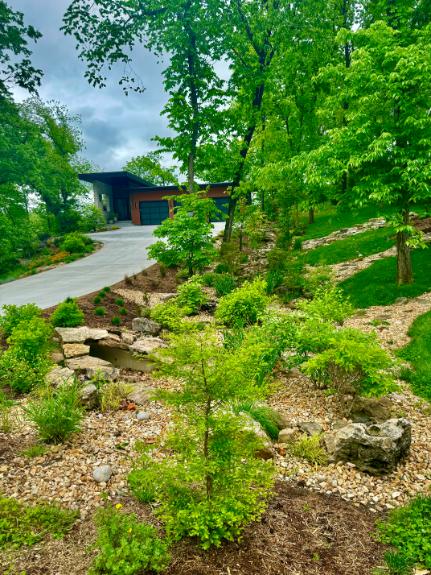
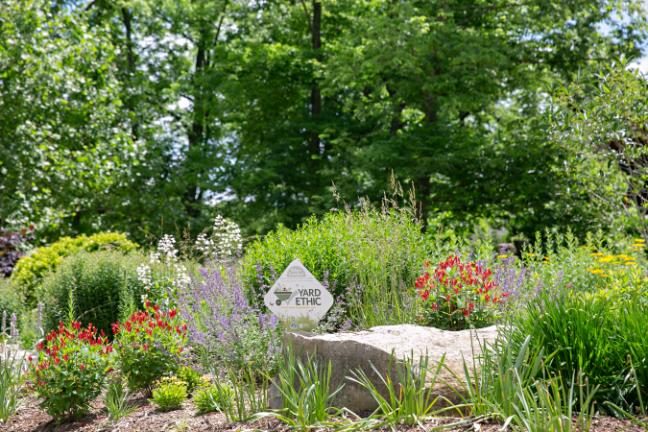
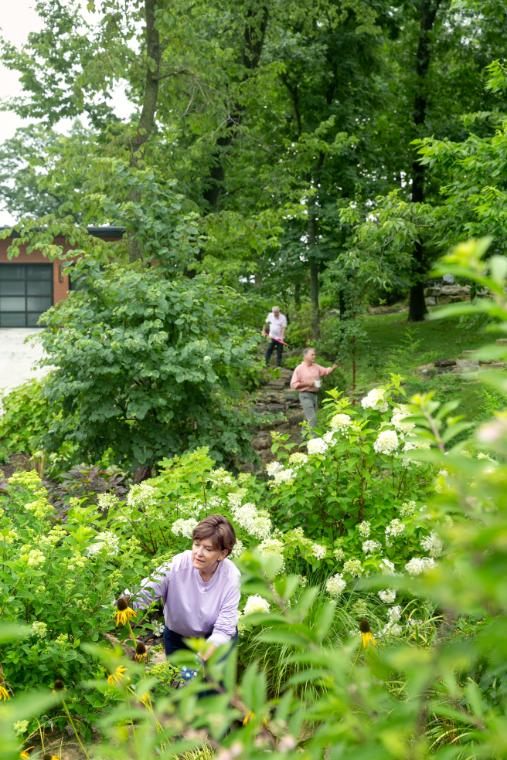
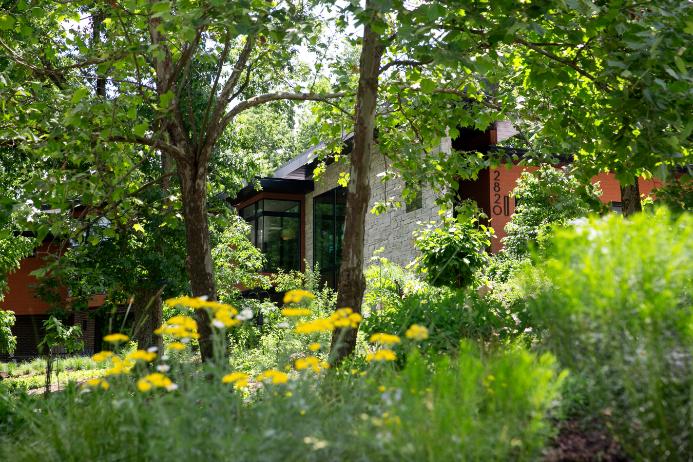
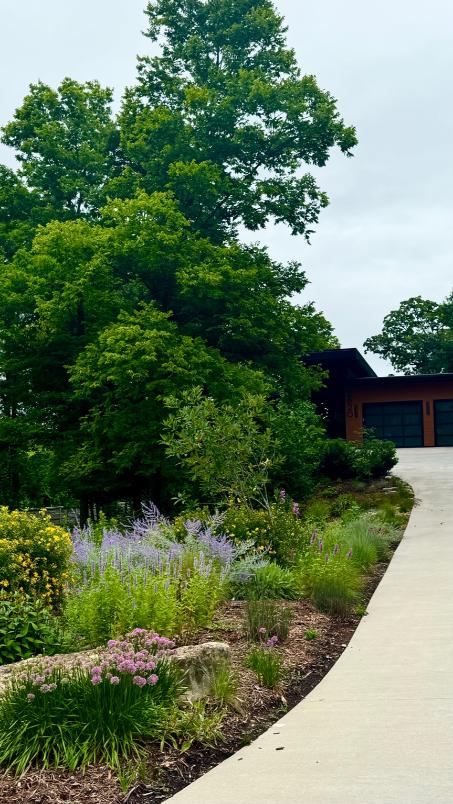
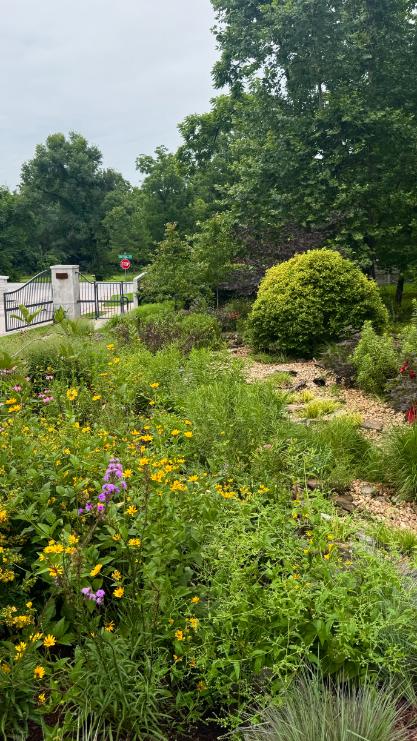
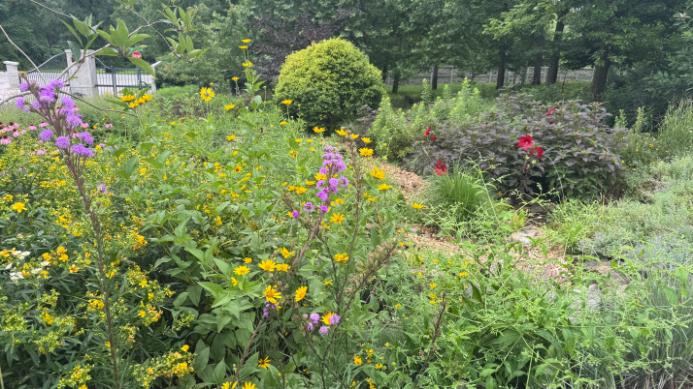
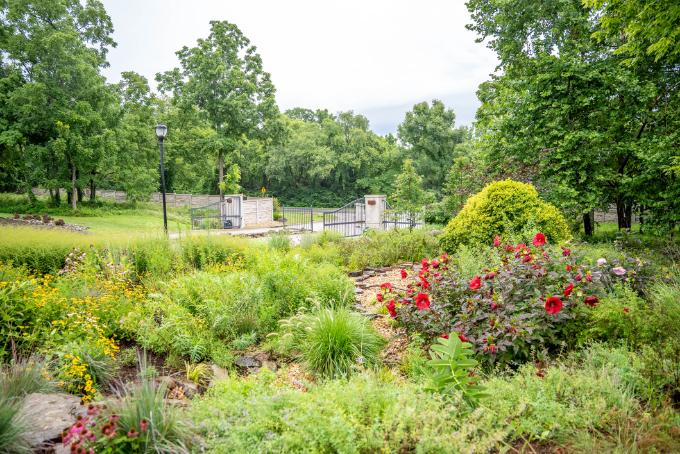
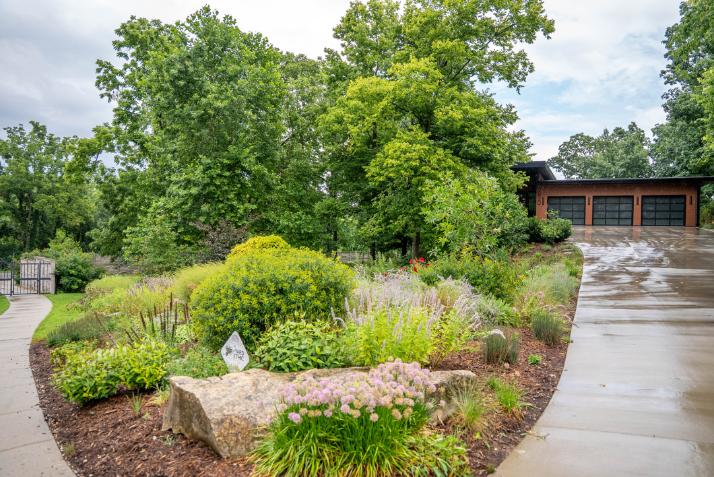
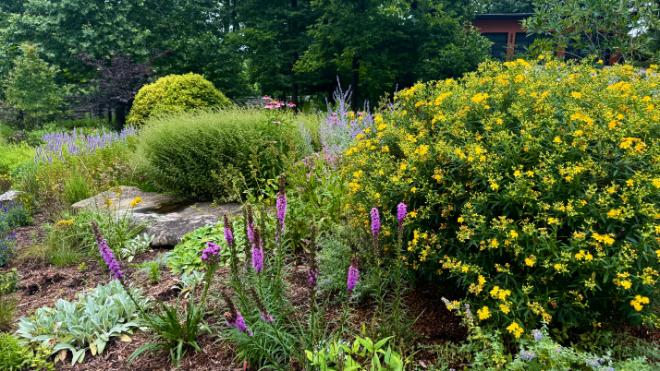
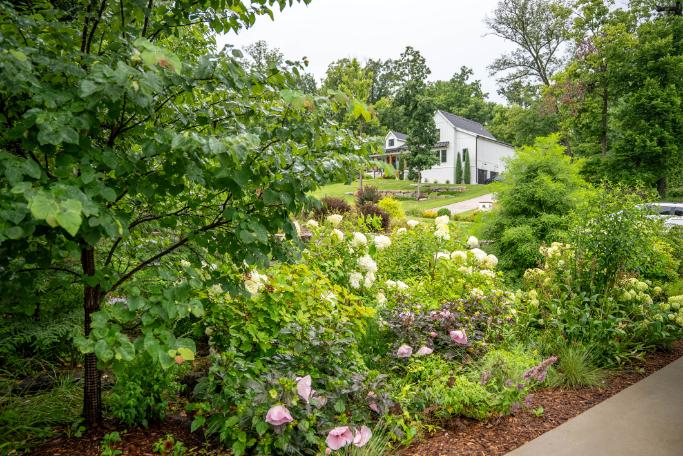
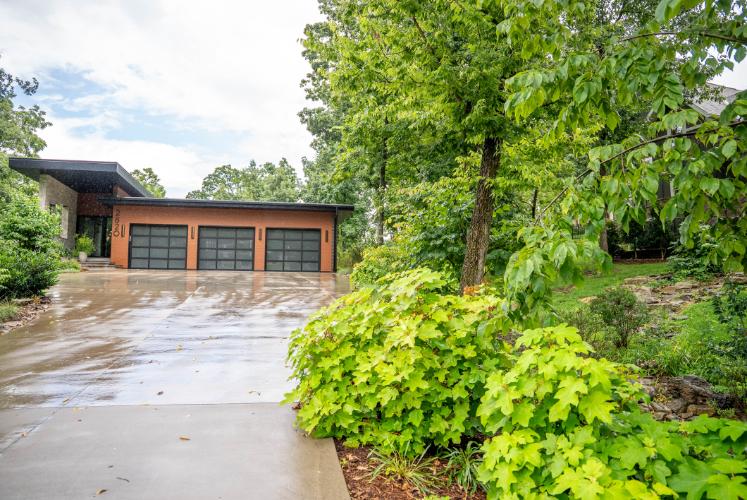
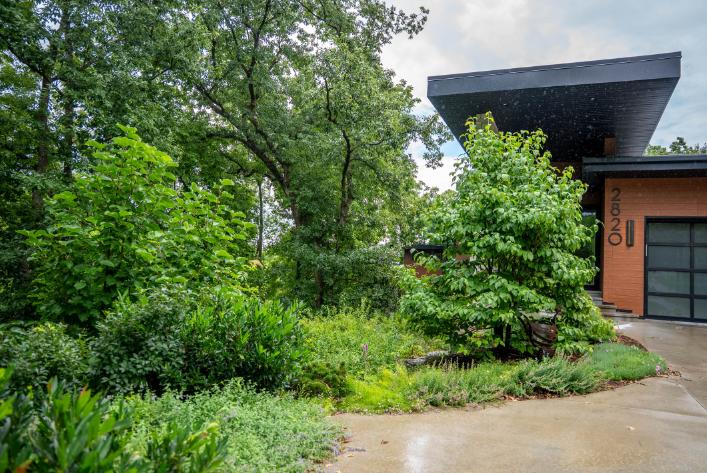
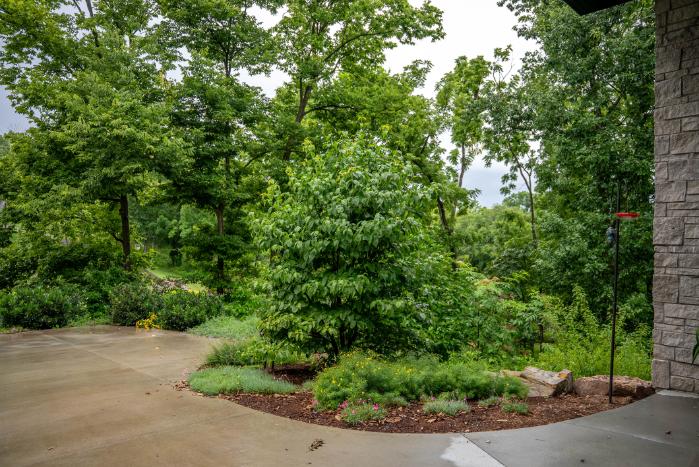
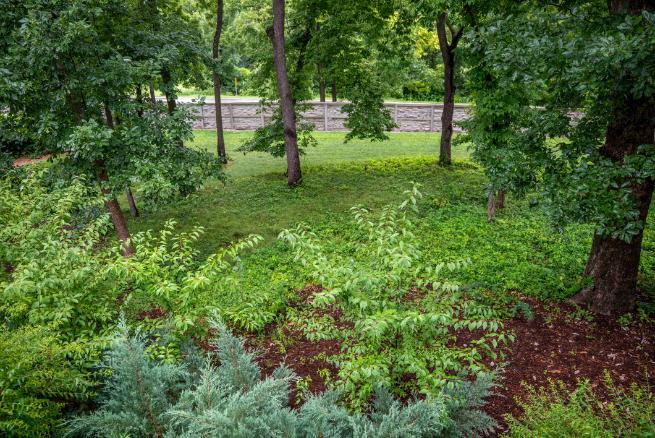
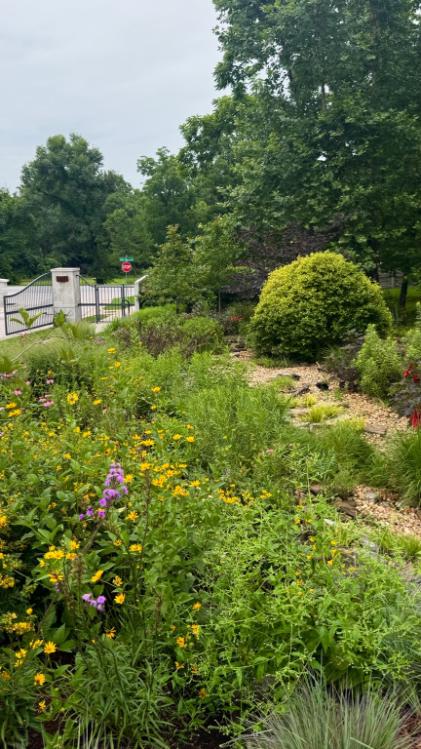
Three years ago, Forrest Keeling Nursery began documenting a residential landscape featuring FKN native plant material—not merely as a showcase garden, but as a living case study. The goal was to demonstrate what happens when native plants are selected and arranged as functioning ecological communities rather than as isolated ornamental specimens.
The site presented challenges familiar to many homeowners, landscape architects, developers, and municipalities. Instead of asking how to control the site, we asked: What if the landscape itself became the infrastructure?
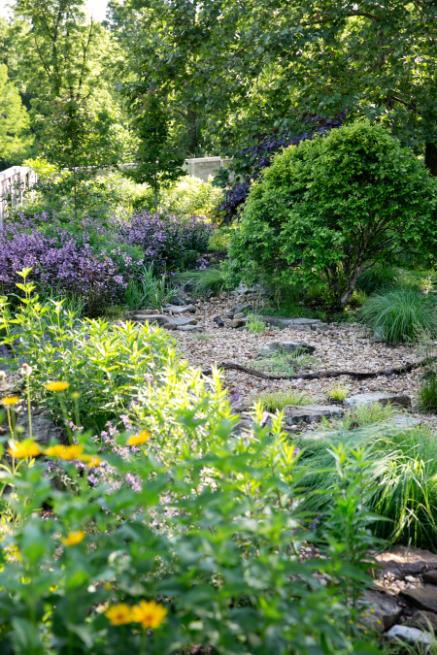
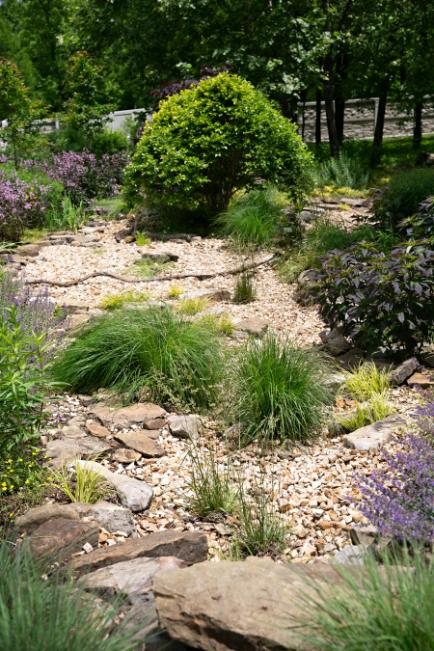
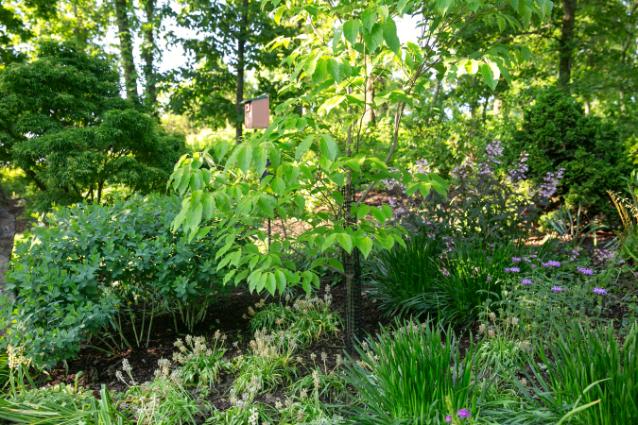
Native trees, shrubs, grasses, and perennial communities were matched to existing conditions. Rainfall was welcomed and retained rather than rushed off. Layered vegetation slowed runoff, stabilized slopes, expanded habitat, and created year-round beauty.
Year 1
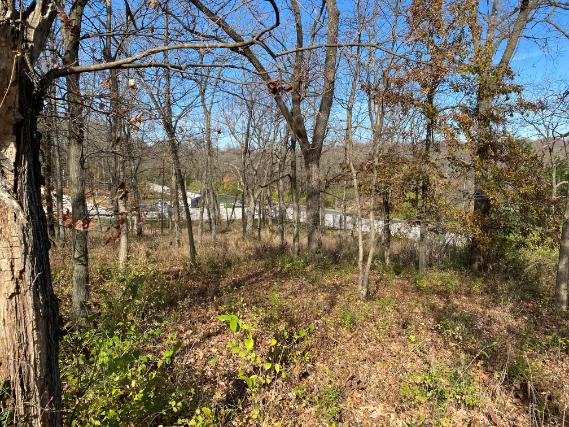
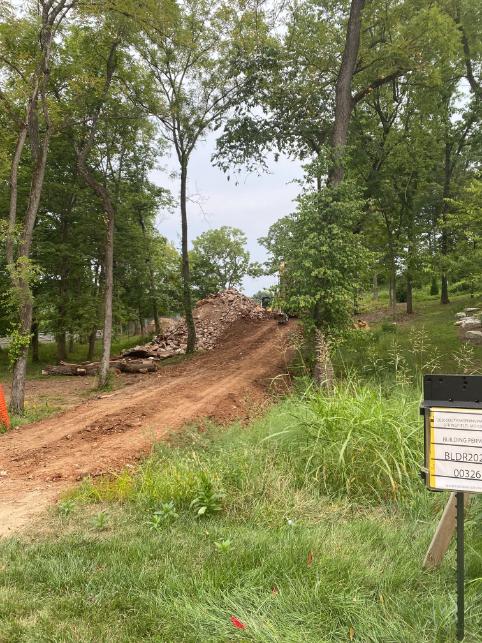
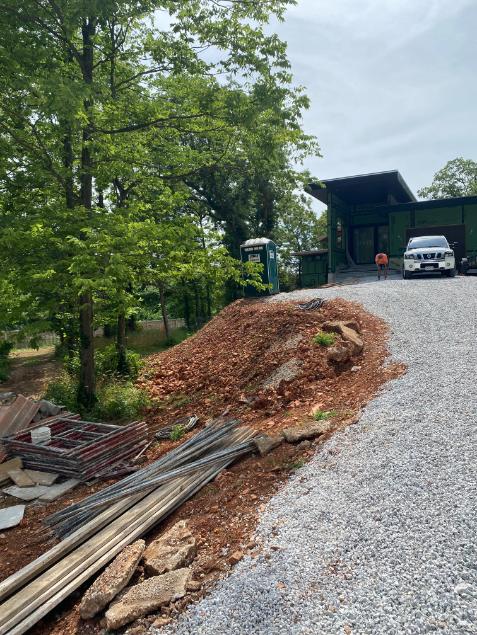
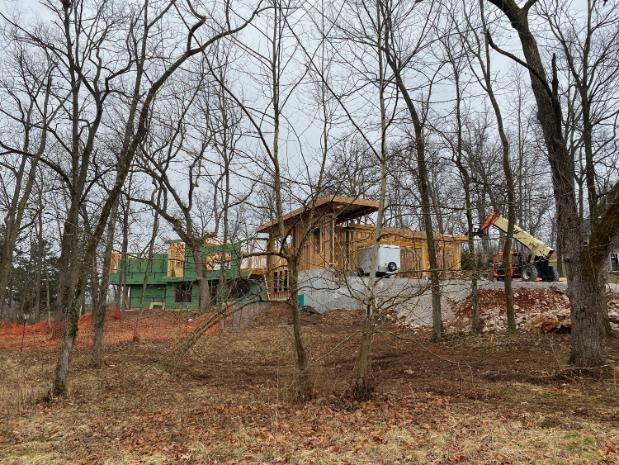
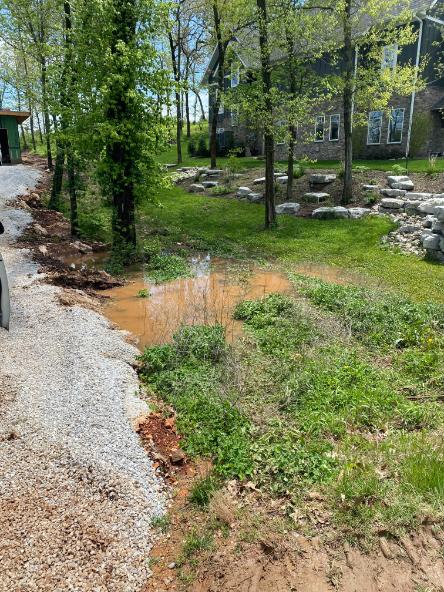
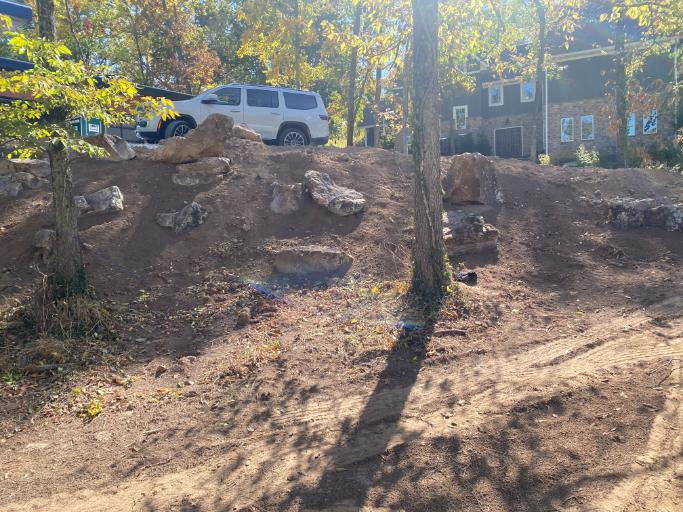
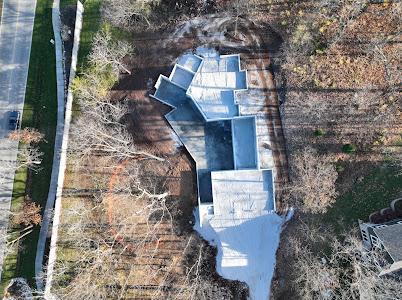
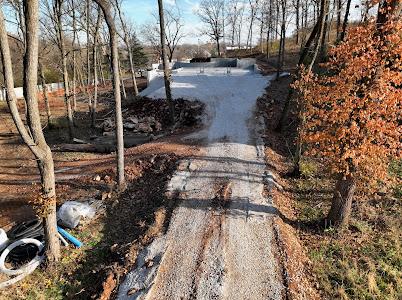
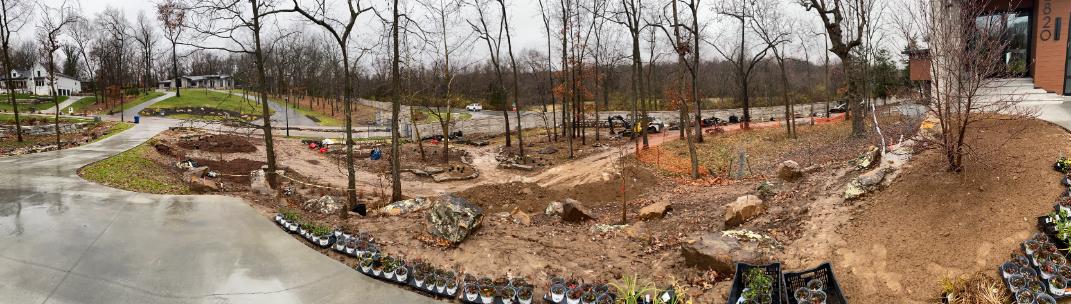
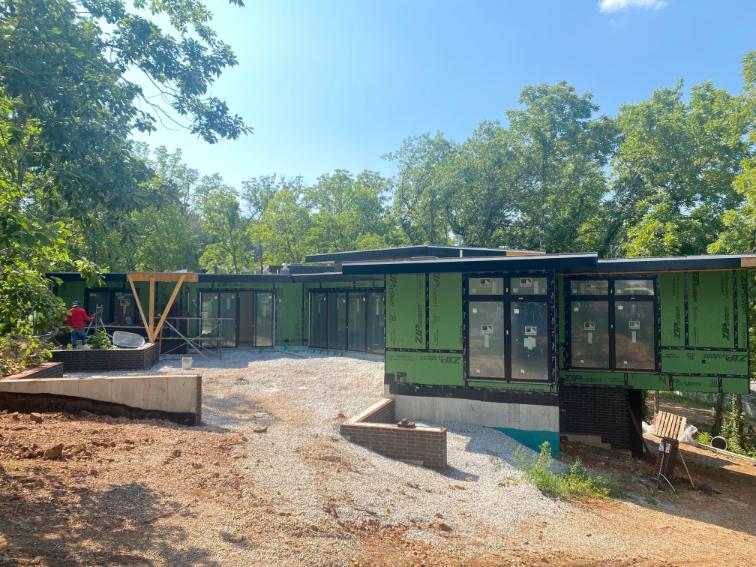
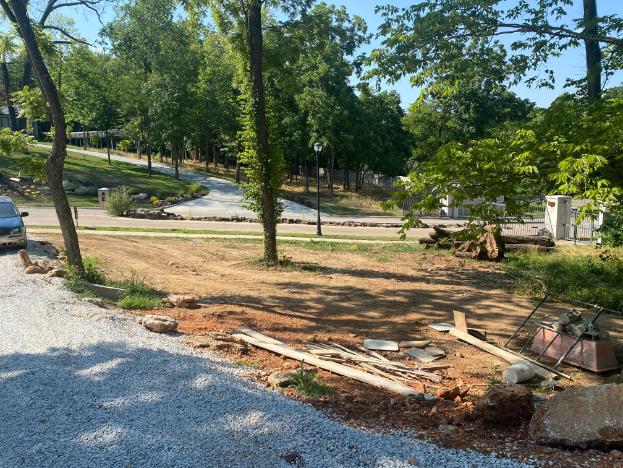
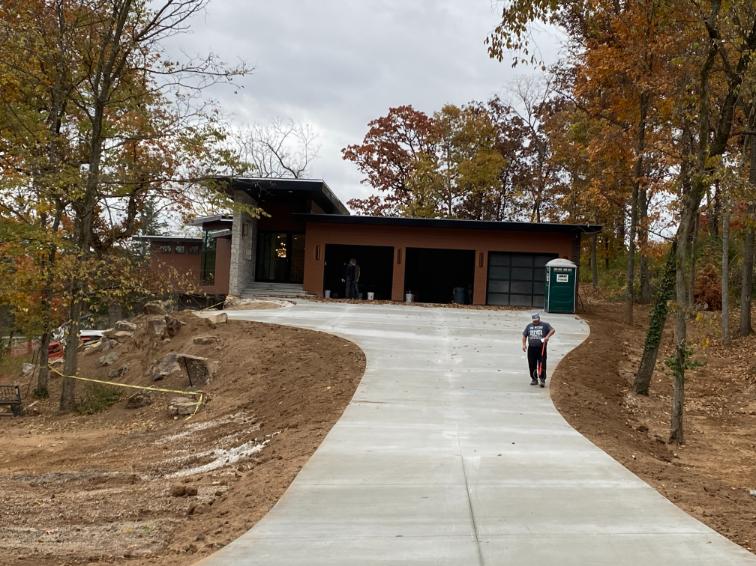
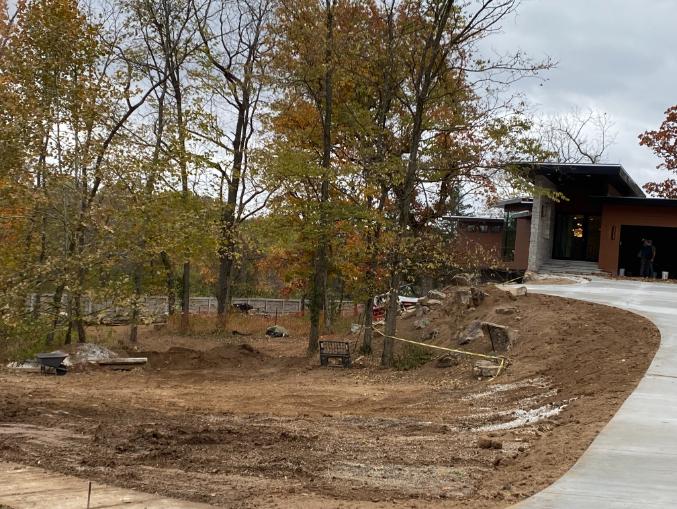
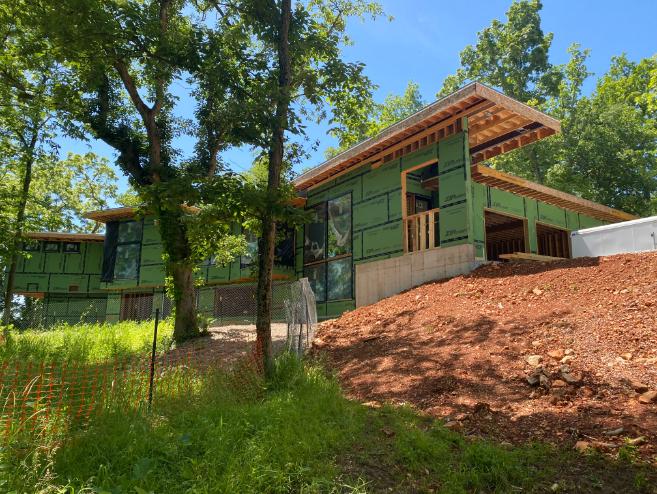
Three years later, the results tell an encouraging story.
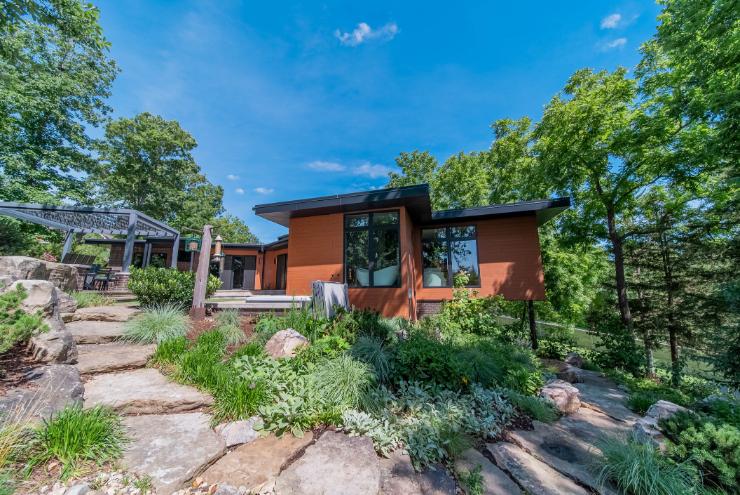
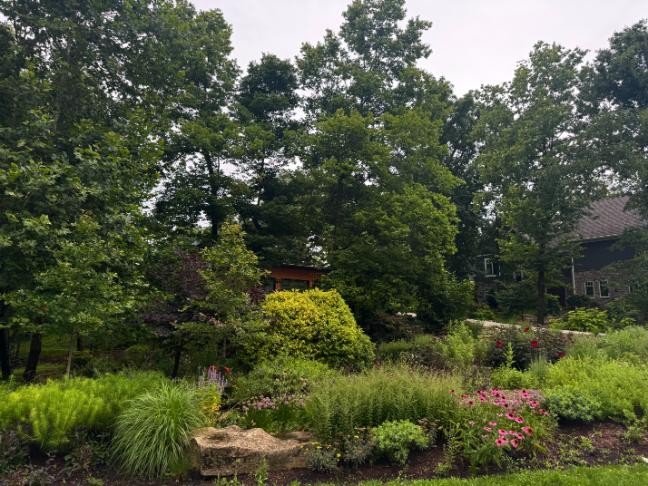
Tree canopy has expanded from approximately 40% to more than 60%.
Along with a dry creek, rain garden, and bioswale, the native landscape now manages an estimated 400,000 gallons of stormwater during a 3–4-inch rainfall event. Healthy soils, deep-rooted native plant communities, and natural infiltration help retain and slow rainfall, protect the nearby creek, and reduce runoff and erosion.
Maintenance has shifted from the constant intervention conventional landscapes often require to thoughtful seasonal stewardship. With no installed irrigation, fertilizers, pesticides, or herbicides, the landscape increasingly works with nature rather than against it.
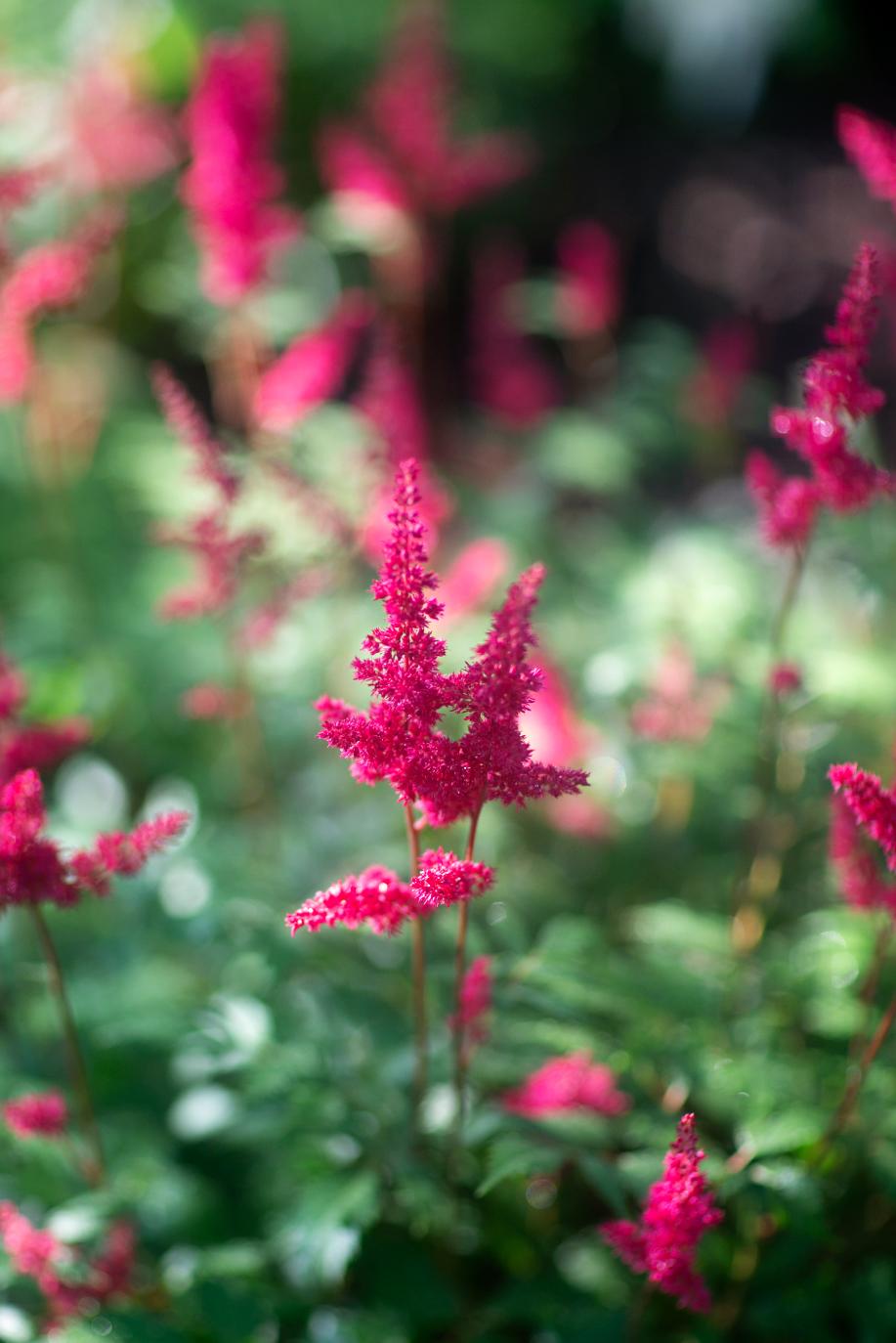
Birds, butterflies, native bees, frogs, and beneficial insects have become daily visitors. Children wander the paths in search of frogs and worms. Neighbors stop by. But perhaps the most meaningful change can’t be measured. The landscape simply feels different. Healthier. More inviting. More alive. Because it is.
year 2
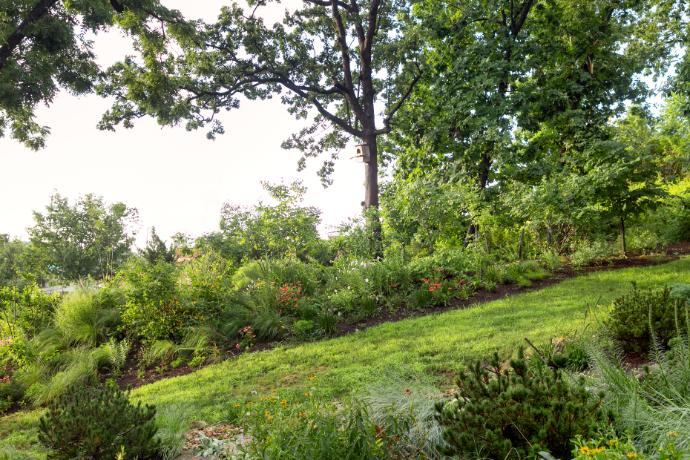
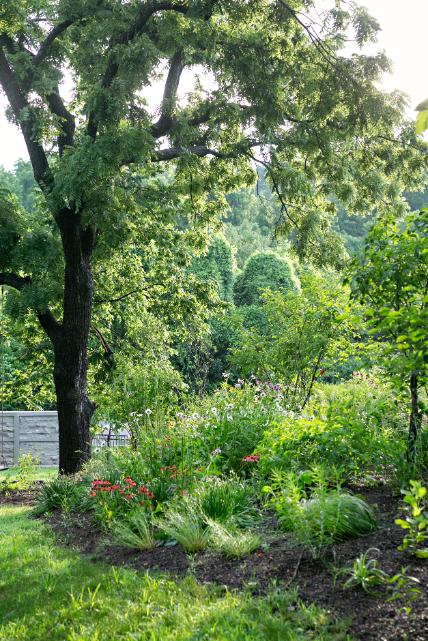
Lawns still have an important place—for recreation, gathering, and play—but not every square foot of every landscape needs to serve the same purpose. Across North America, utilities, municipalities, developers, HOAs, and public agencies increasingly recognize the measurable benefits of high-performing landscapes. Many homebuyers are also drawn to neighborhoods with mature trees, green spaces, and landscapes that feel healthy, welcoming, and connected to nature.
The greatest shift may not be in our landscapes. It may be in what people are beginning to value.
The most successful landscapes are no longer judged solely by how they look on installation day, but by how they perform—and the lives they enrich—for years to come.
Healthy soil supports healthy trees. Healthy trees create healthy landscapes. And healthy landscapes create healthier places for people to live.
year 3
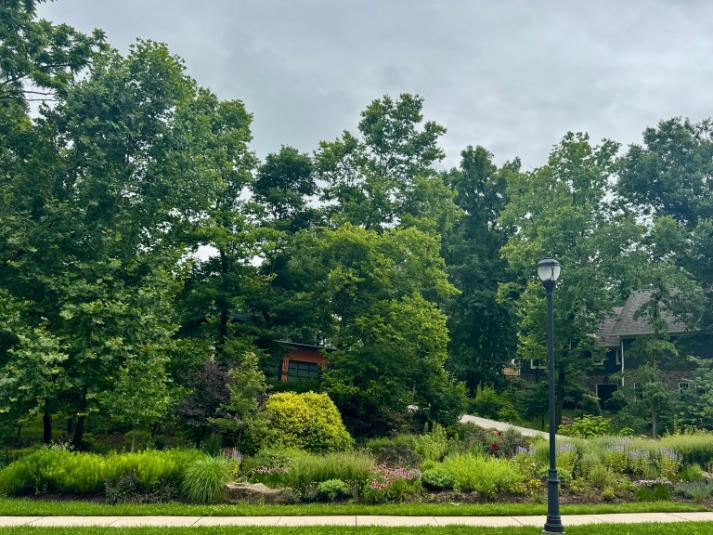
People Don’t Buy Plants. They Buy Outcomes.
Every landscape is an investment. What is it designed to deliver?
People don’t buy trees. They buy shade, comfort, lower energy bills, autumn color, and a legacy.
People don’t buy flowers. They buy butterflies, bees, beauty, and life.
People don’t buy bioswales, dry creeks, or rain gardens. They buy cleaner water, a drier yard, and peace of mind.
People don’t buy native landscapes. They buy healthier places to live.
The plants are the means. The outcomes are the value.
Three-Year Case Study at a Glance
- ~400,000 gallons of stormwater managed during a 3–4-inch rainfall
- Tree canopy increased from ~40% to more than 60%
- Reduced runoff and erosion
- Expanded habitat for increased varieties of birds, pollinators, amphibians, and beneficial insects
- Four-season beauty with greatly reduced maintenance inputs