CURIOSITY TOOK ROOT
Fall Field Day 2026 | Rooted in Natives
More than 500 green industry professionals. One remarkable day. Ideas built to last for decades.
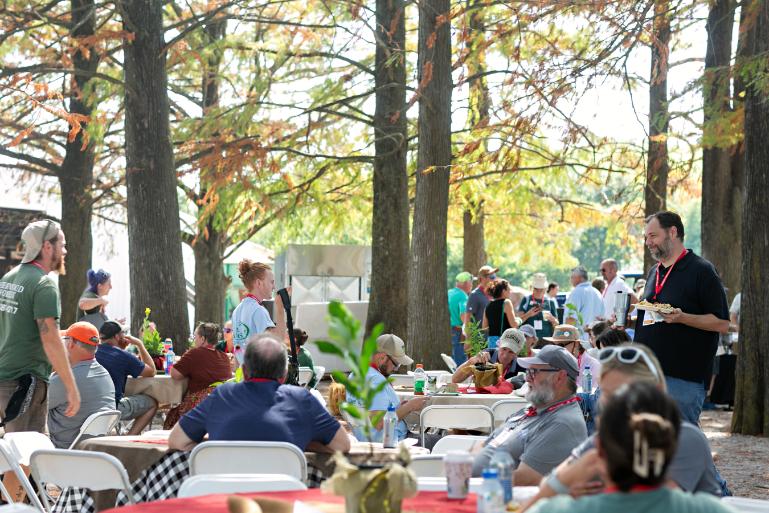
From the first cups of coffee in Cypress Grove to the final relay-baton handoff, Fall Field Day 2026 was alive with questions, conversation, and discovery.
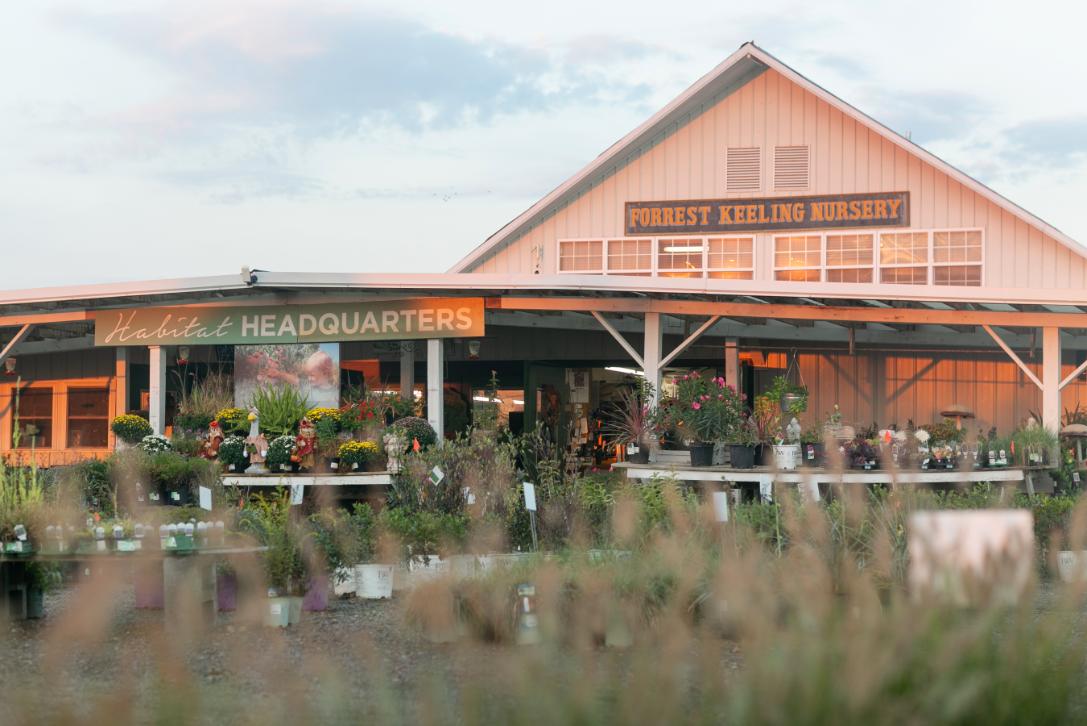
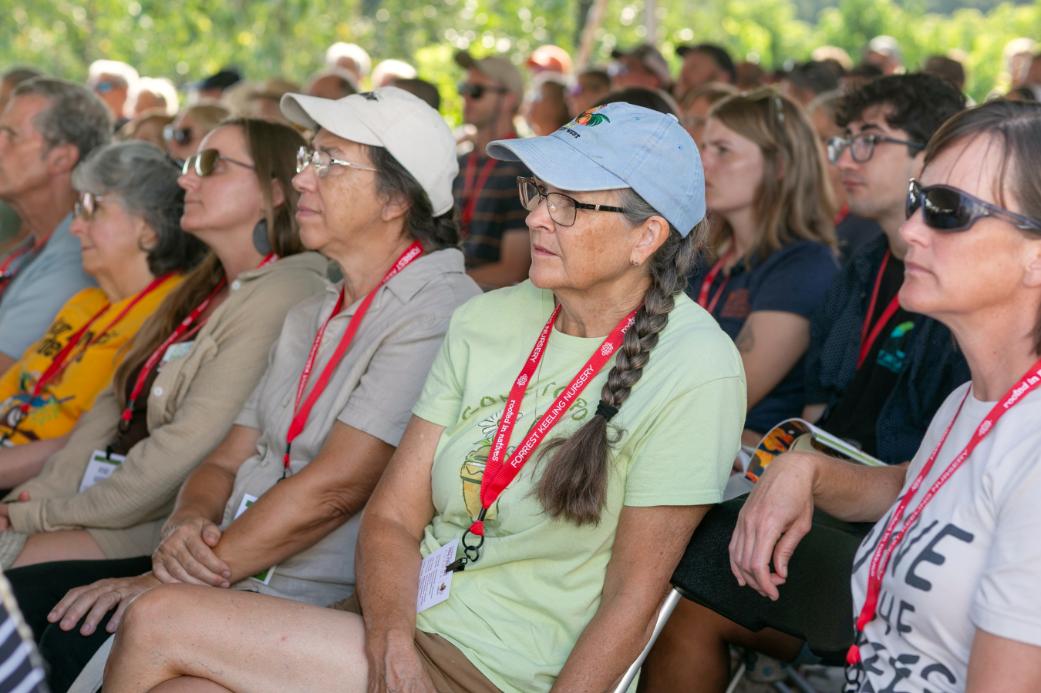
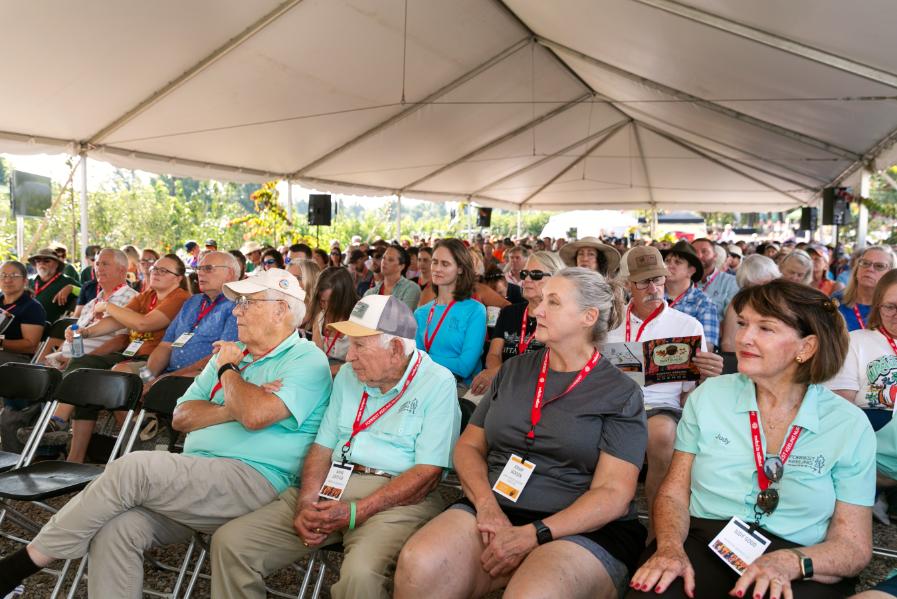
More than 500 people gathered at Forrest Keeling Nursery on September 17 to explore a central question: How can we design landscapes that perform for decades?
They came from across the green industry and beyond: growers, landscape architects, designers, contractors, conservationists, foresters, researchers, land managers, community leaders, and people curious about what becomes possible when native plants are treated as working infrastructure.
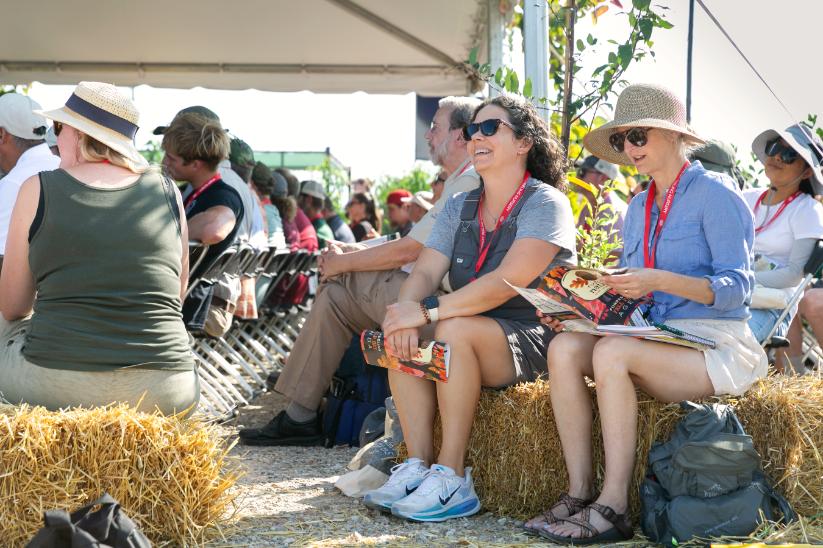
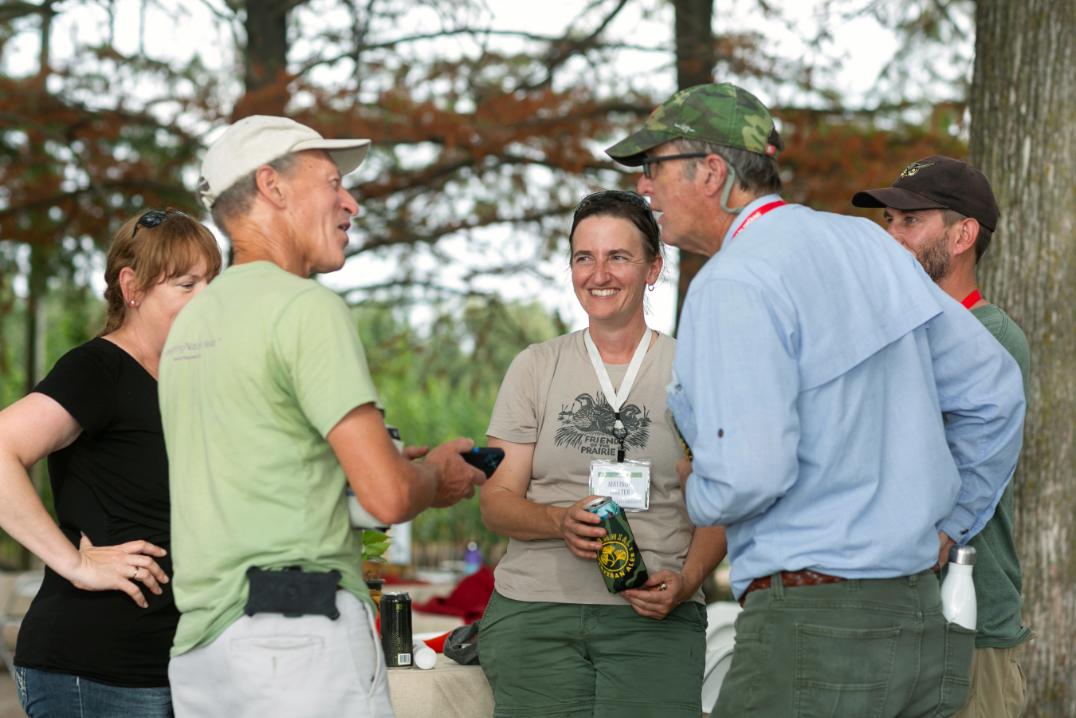
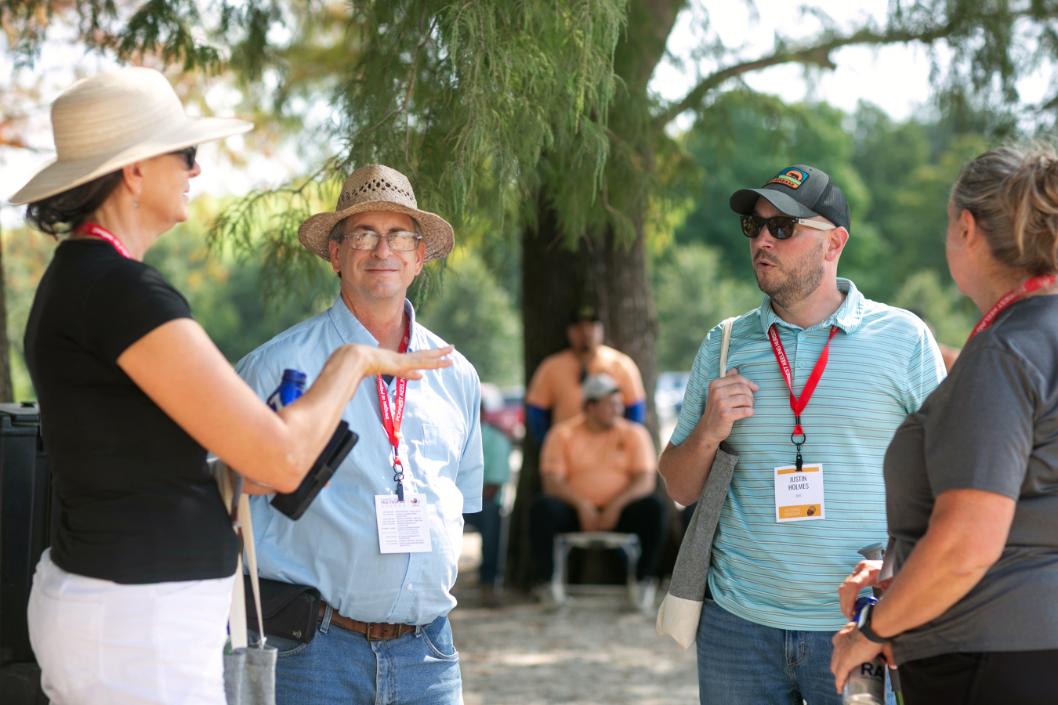
The day moved from a keynote to focused breakout sessions, working nursery tours, demonstrations, a farm-to-table lunch, conversations across generations, and a participatory capstone. No two attendees experienced the same Field Day. Everywhere, people looked closely, asked better questions, and carried ideas from one conversation into the next.
Curiosity took root. And by the end of the day, the work had been placed in all of our hands.
More than 500 green industry professionals attended FKN’s largest Fall Field Day to date
THE DAY BEGAN WITH A FIRST LOOK
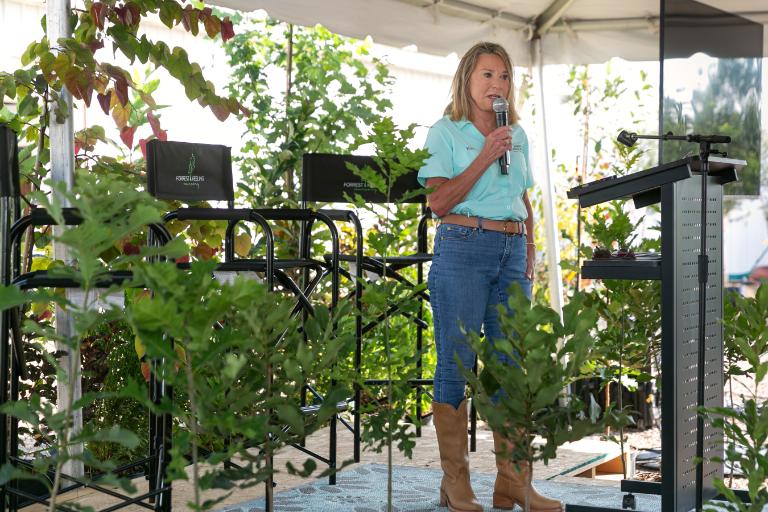
Kim and Wayne Lovelace welcomed the crowd beneath the Main Tent and opened a day grounded in nearly 80 years of Forrest Keeling knowledge. Guests were also among the first to see FKN’s new feature on Empowered hosted by Meg Ryan, a national story about RPM Root Production Method®, origin-conscious growing, and the people and purpose behind the nursery’s work.

The preview set the tone. Field Day would connect what happens at the nursery with what happens in landscapes, farms, forests, waterways and communities long after a plant leaves Elsberry.
DESIGNING LIVING LANDSCAPES
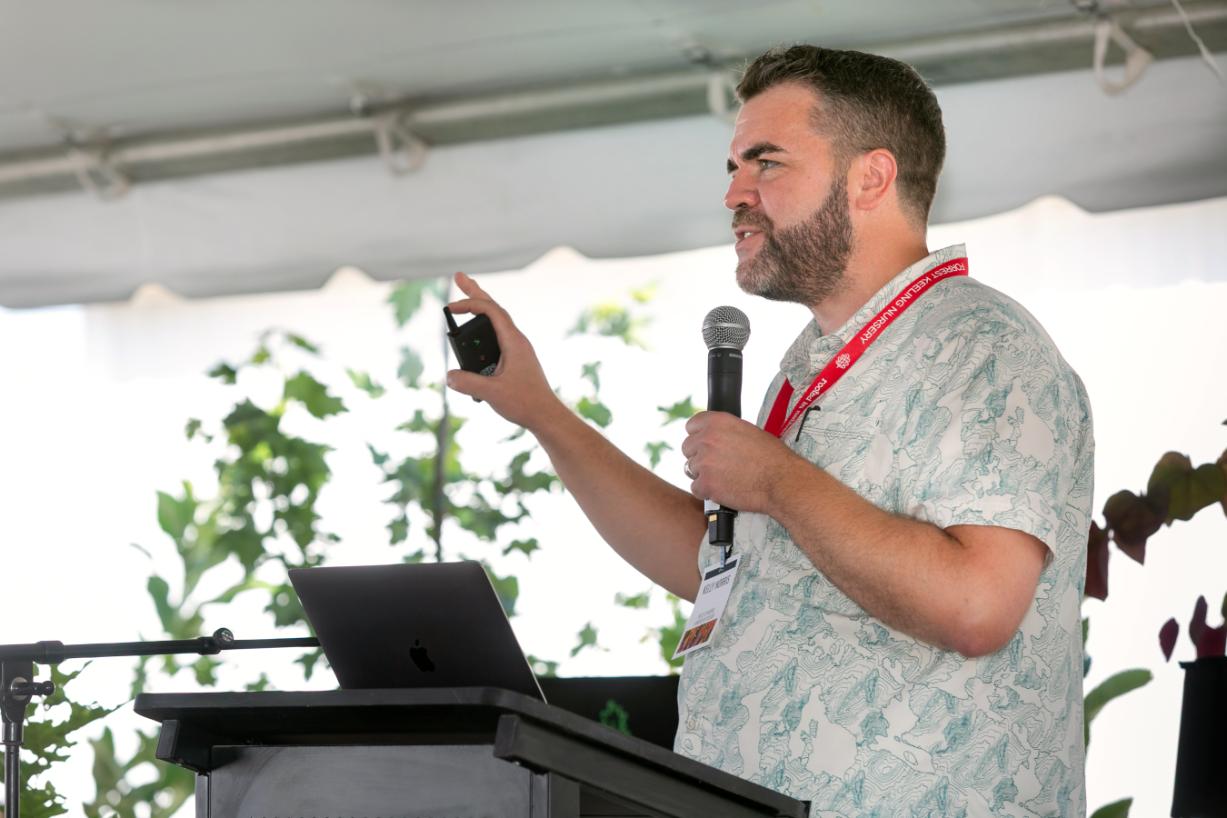
Kelly D. Norris | Rooted in Natives
Keynote speaker Kelly D. Norris invited attendees to see gardens as living ecologies: places shaped by relationships, change, memory, use and care. His framework for New Naturalism centered on four ideas that make ecologically rich landscapes both functional and meaningful to people.
- Place: Read the geology, hydrology, disturbance, human use, and history already present. Native species form the backbone, while adaptive plants can help a landscape meet current and future stresses.
- Complexity: Layered species, varied abundance, and changing bloom times create garden-scale habitat. Gardeners become keystone species through thoughtful editing, thinning, and stewardship.
- Legibility: People must be able to read and love a landscape. Repetition, clear edges, paths, focal moments and structural masses help ecological planting feel intentional.
- Flow: A living garden changes across weeks, seasons and years. That change is the medium, and stewardship becomes an ongoing act of noticing and responding.
Kelly’s message gave the day a vocabulary for what attendees would see throughout the nursery: landscapes can be expressive, resilient, and generous to other creatures while remaining clear and compelling to people.
NATIVE PLANTS AT WORK
Morning and afternoon breakout sessions shifted the conversation from design principles to measurable work in cities, farms, waterways and restoration sites.
Urban forestry built for decades
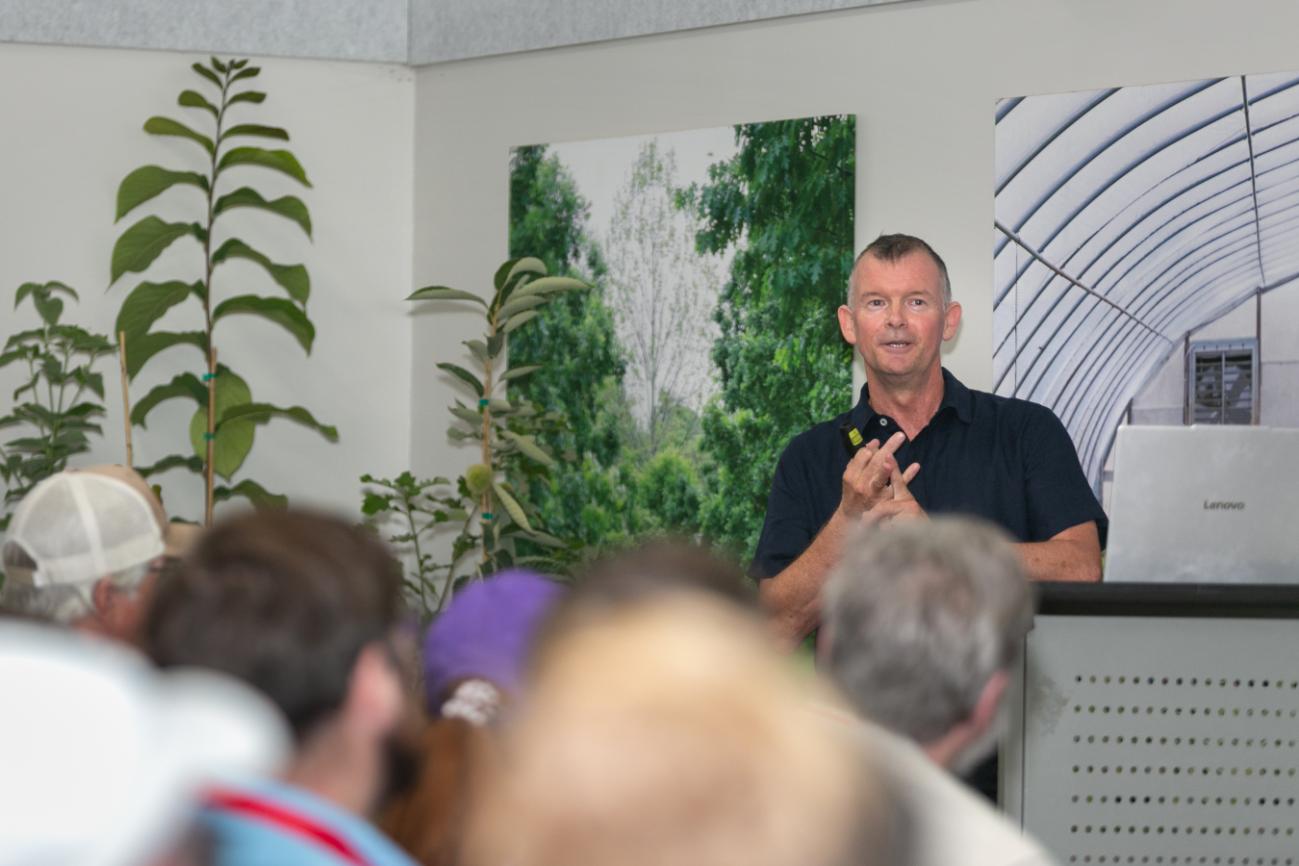
Shane McQuillan of Runway Group drew on experience in production forests, city streets and community development to examine why some trees thrive while others fail. His session linked thoughtful selection, establishment and stewardship to the long-term benefits native trees can provide as community infrastructure.
What is habitat worth
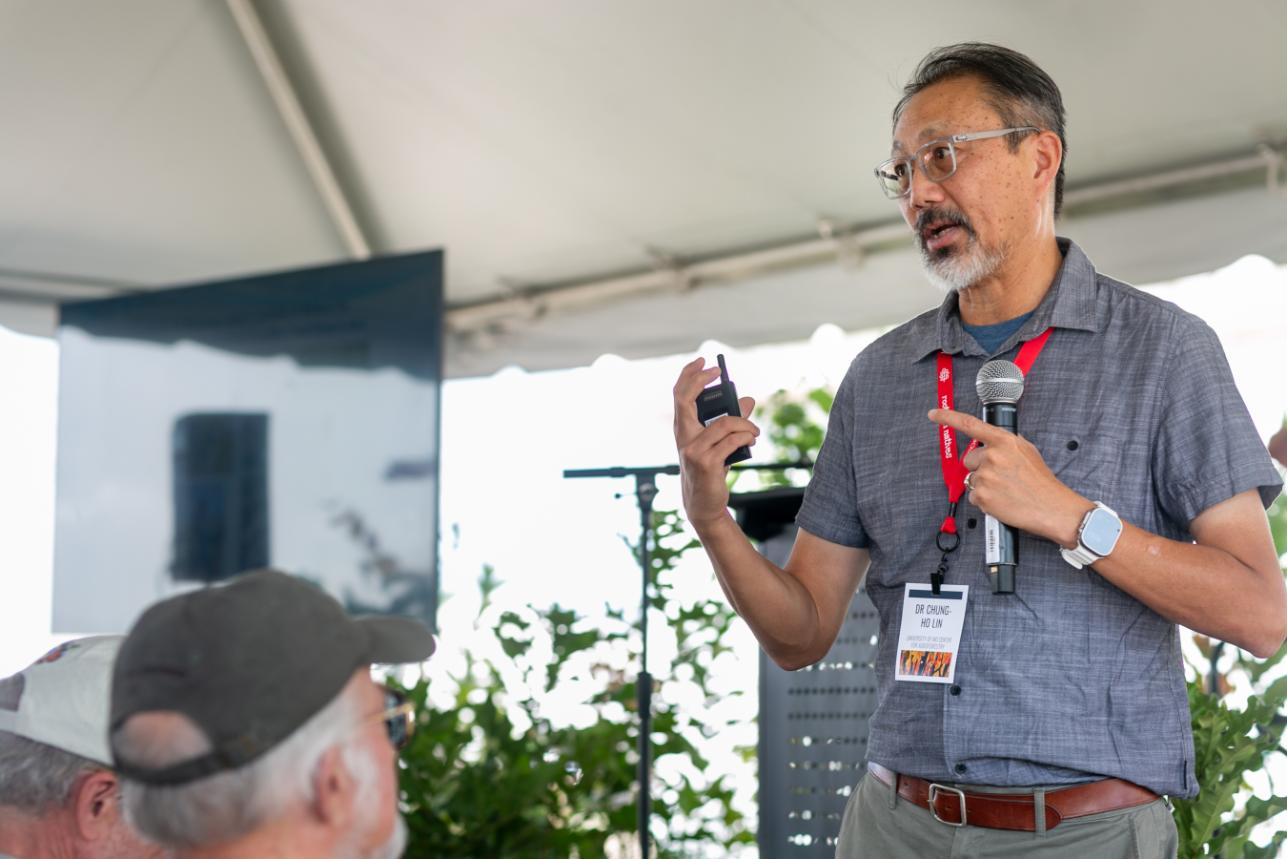
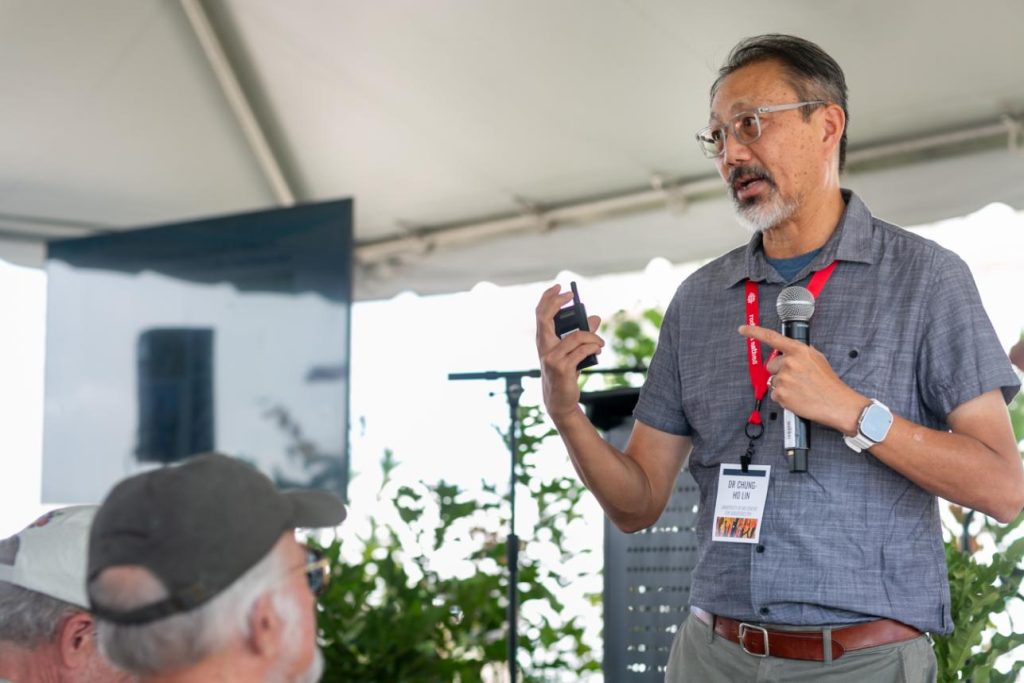
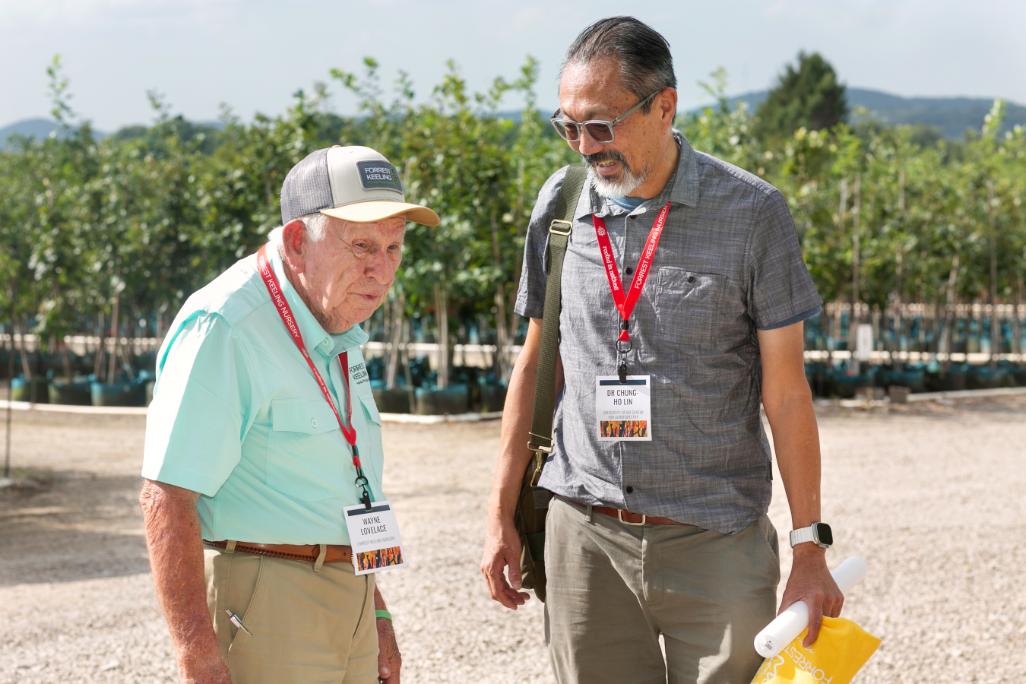
Dr. Chung-Ho Lin of the University of Missouri Center for Agroforestry broadened the definition of value. He connected native species with environmental, social and economic outcomes – from soil and plant health to human and public health.
His research examples made the work tangible. A four-meter native riparian buffer could remove 80 percent of herbicides from surface runoff. Engineered wetlands planted with native species were studied for their ability to remove pharmaceuticals, personal-care products, and agrochemicals. Other projects examined brownfield restoration, urban stormwater, mental health benefits associated with green space, and opportunities in native specialty crops such as elderberry, pawpaw, and black walnut.
Native plants were not presented as decoration. They were presented as systems that protect water, rebuild soil, support health, and create economic opportunity.
Productive native landscapes
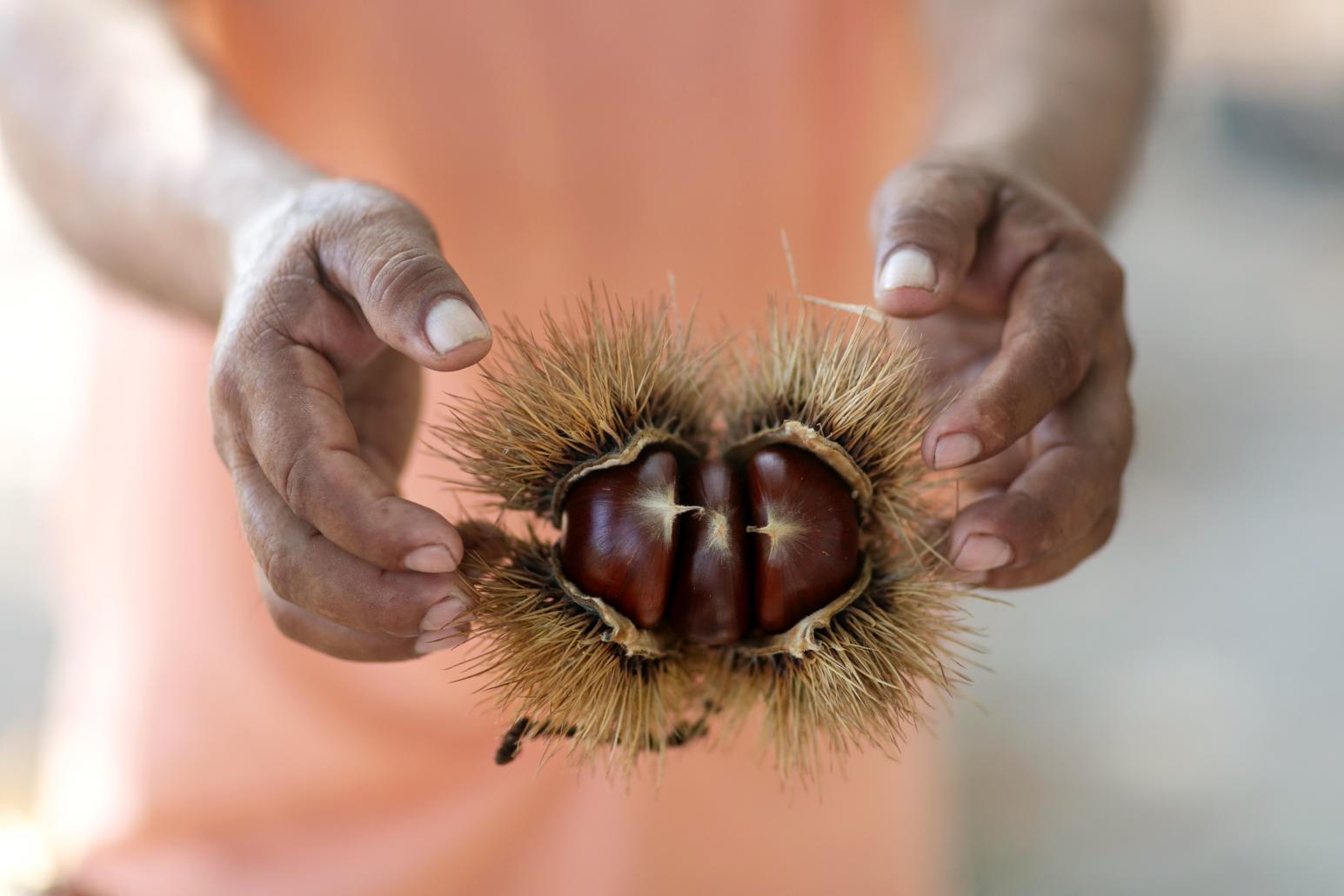
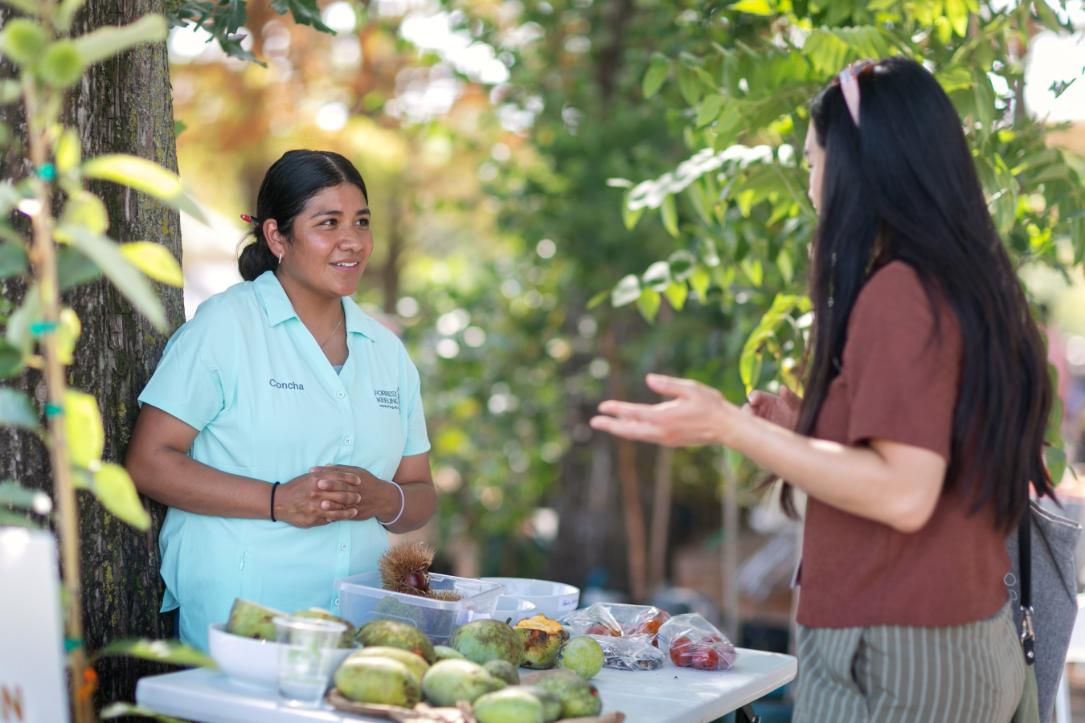
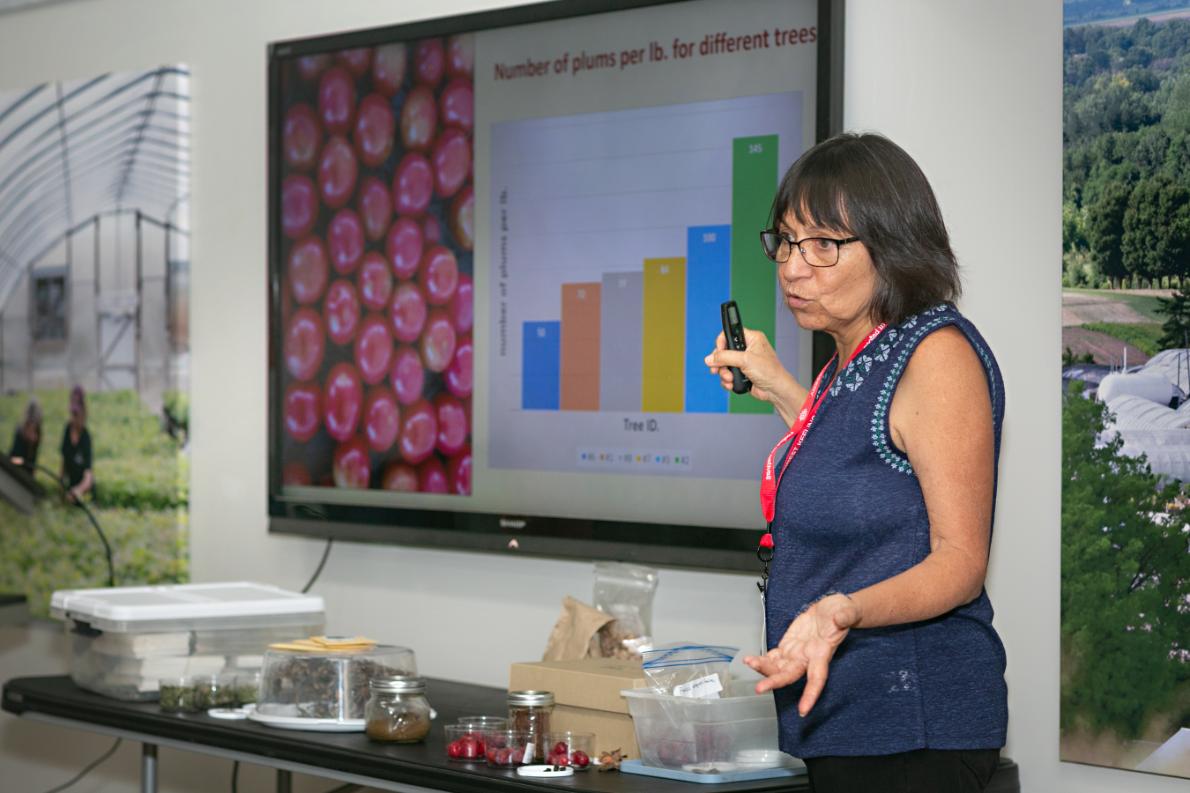
Dr. Nadia Navarrete-Tindall of Lincoln University brought more than two decades of research and grower partnerships to the question of profitable native crops. Her session explored fruit and nut species that can strengthen agroforestry systems while creating ecological benefits and new markets for Midwest growers.
Restoration through collective learning
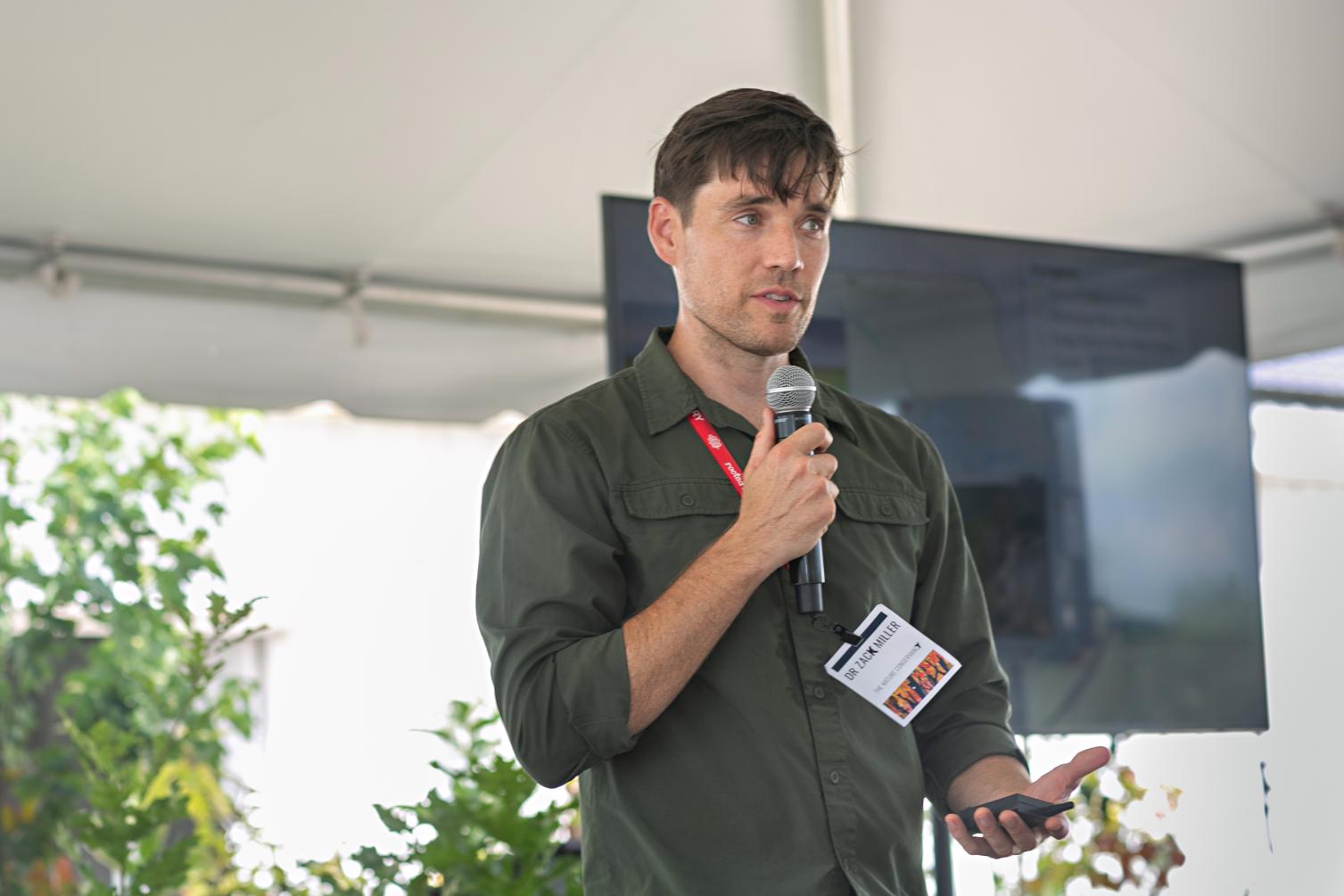
Dr. Zack Miller of The Nature Conservancy shared a case study from the Lower Missouri River floodplain, where ecological design, regenerative agriculture, and on-the-ground implementation converge. His session emphasized production, health, resilience, community conservation, and the value of learning across partners.
LEARNING WITH BOOTS ON THE GROUND
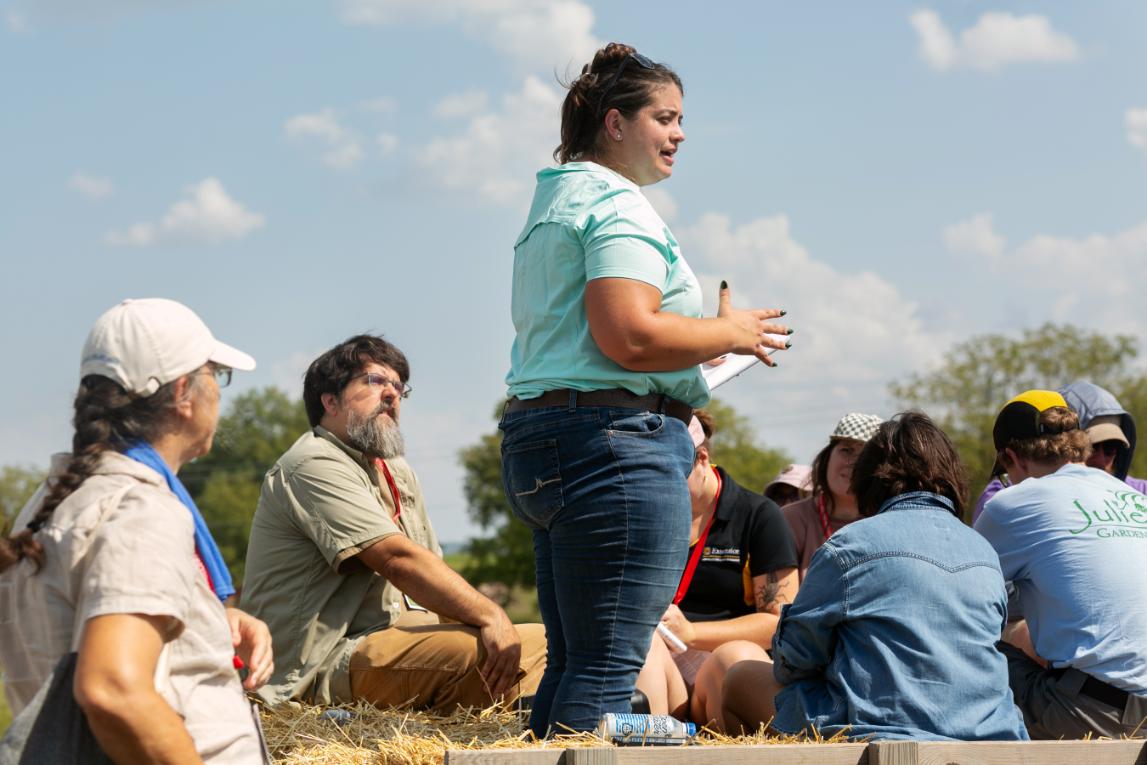
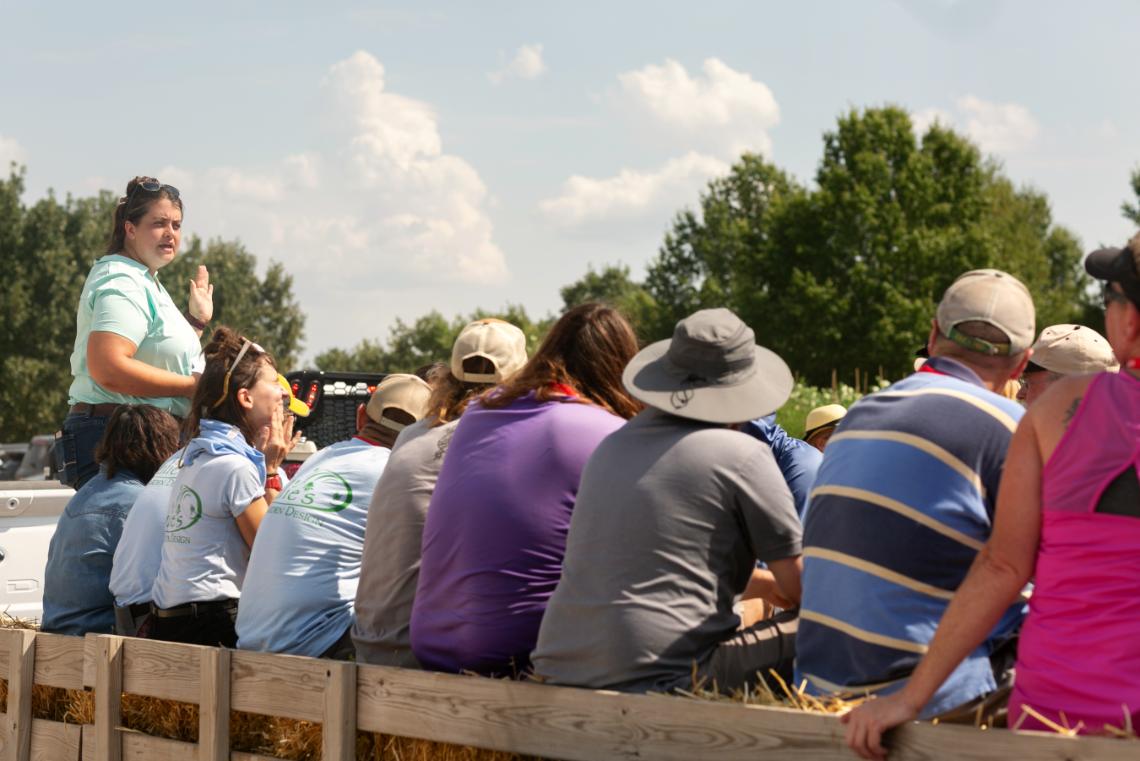
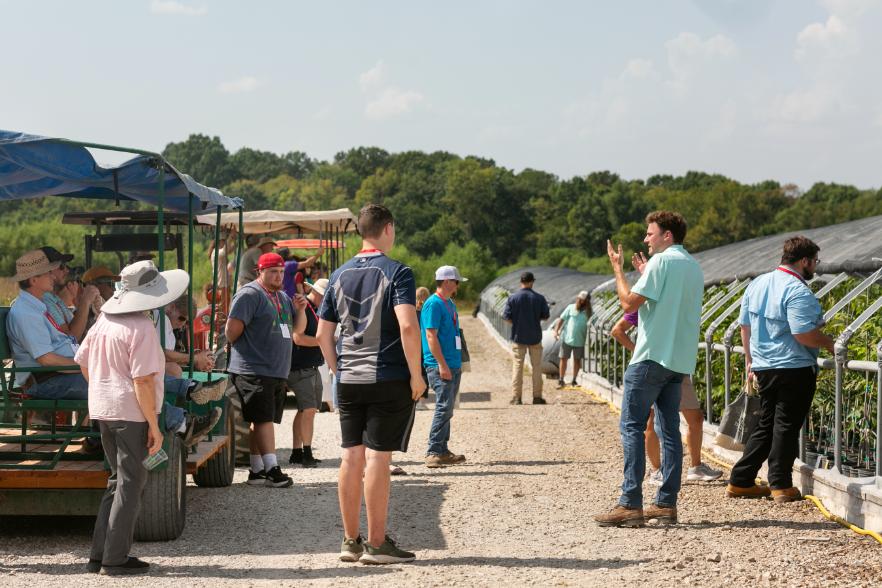
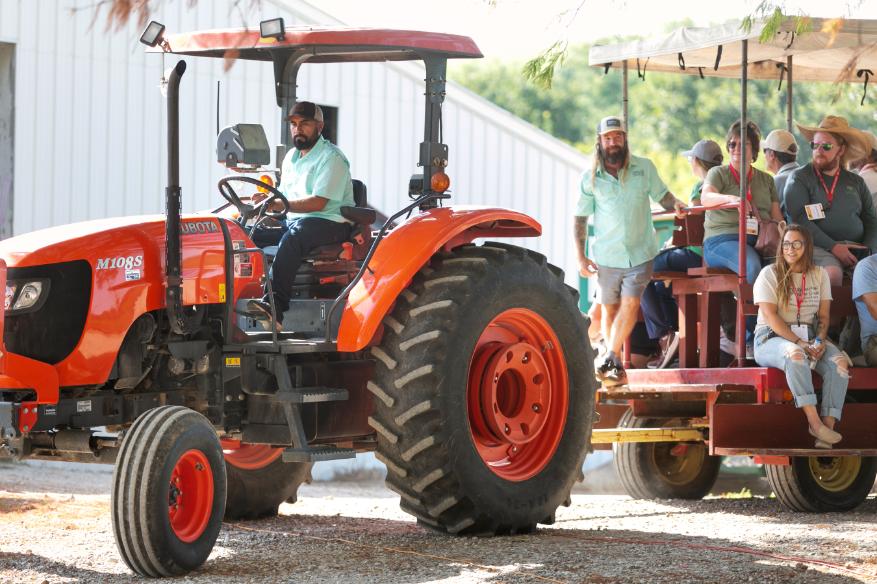
While sessions explored the why, nursery tours showed the how. Attendees chose among three experiences, each revealing a different part of the system that prepares plants to perform.
- Tour A, Better Performance Begins with Better Roots, went inside RPM Root Production Method® container production and the dense, fibrous root systems designed for rapid establishment.
- Tour B, The Future of Agroforestry Starts at the Source, explored FKN’s scion orchard, seed orchard, specialty crop research, and the importance of known, selected plant material.
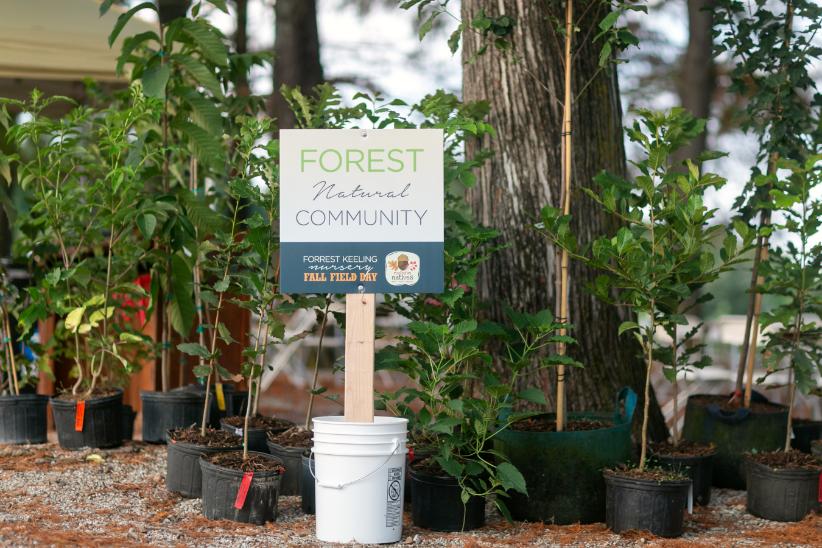
- Tour C, Where Innovation Meets Performance, invited attendees to a self-guided tour of Cypress Grove displays and presentations covering RPM®, grafting, tree improvement, Natural Communities, StreetSmart™ Trees, Specialty Crops, and the Burro autonomous robot demonstration.
Tours made production practices visible as cause and effect: plant source influences adaptation; propagation affects predictability; root architecture shapes establishment; and decisions made at the nursery continue to influence performance for years.
ROOTED IN EXPERIENCE
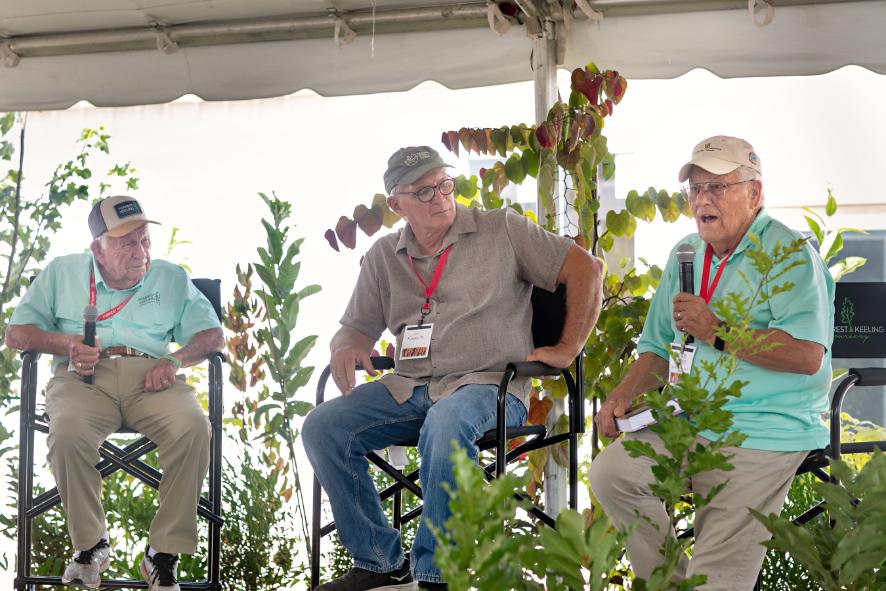
A conversation with Wayne Lovelace and Dr. Gene Garrett
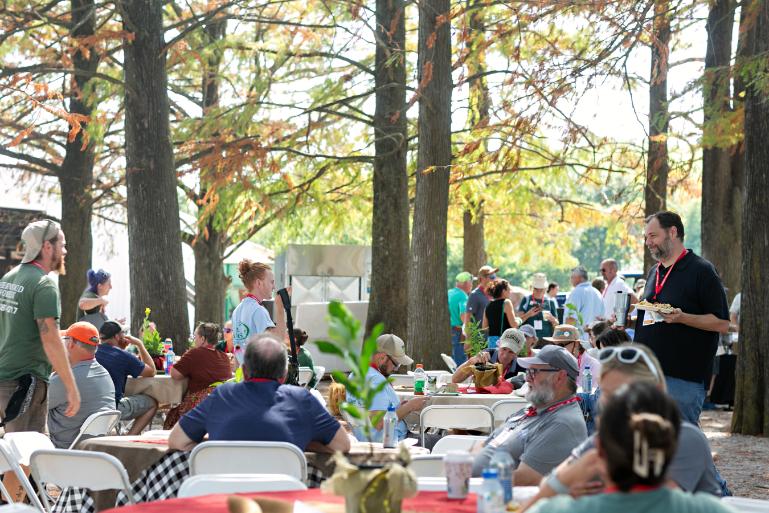
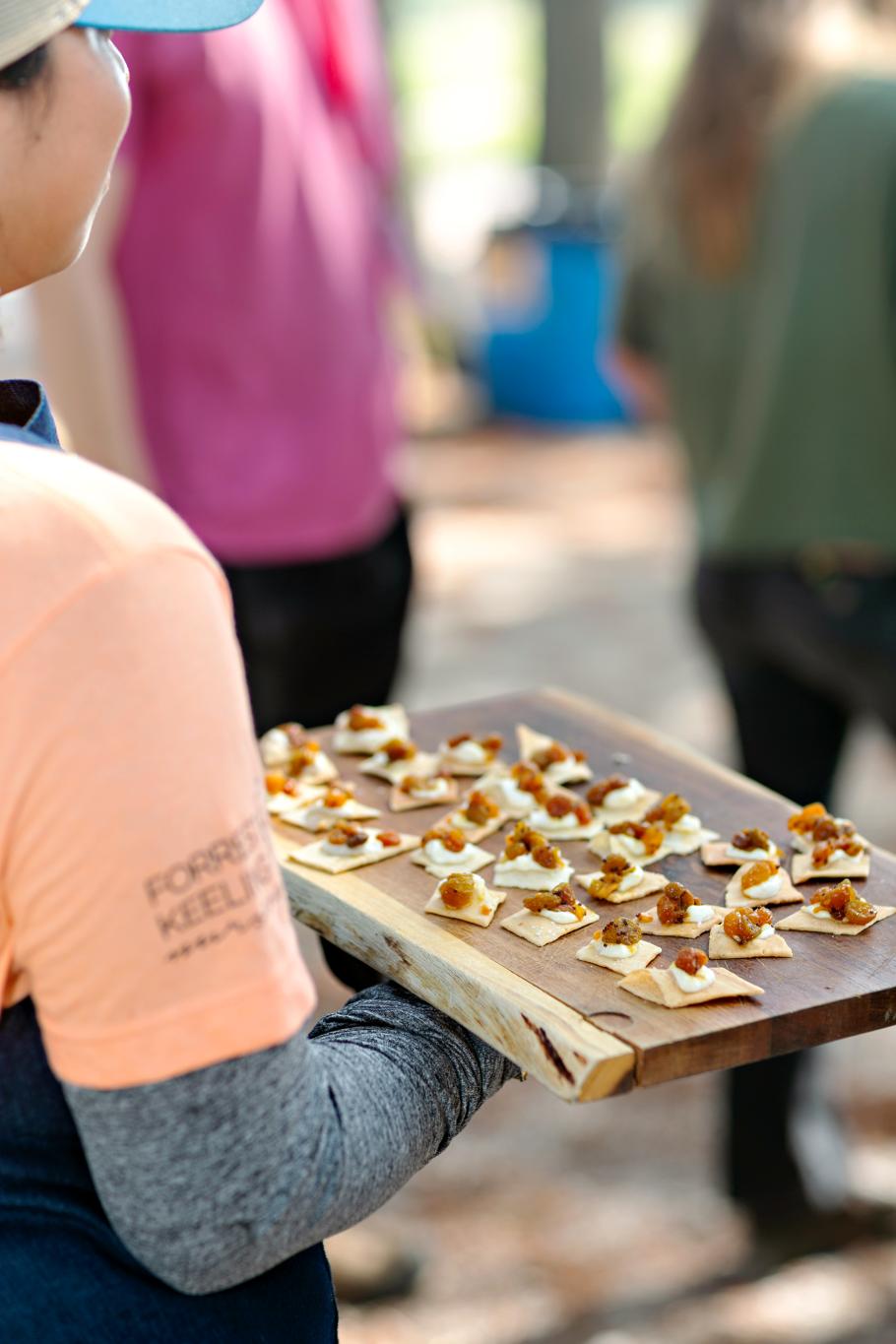
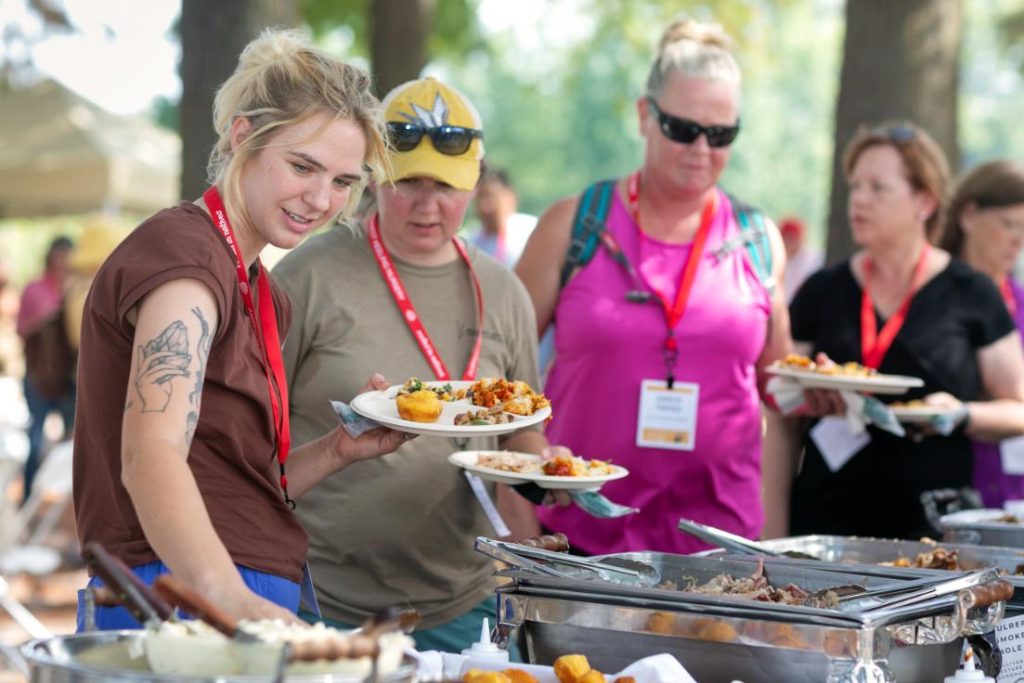
At midday, Chef Kevin Willmann of Farmhaus served a farm-to-table lunch, while Wayne Lovelace and Dr. Gene Garrett shared the perspective that only decades of attention can provide.
Guided by Jim’s questions, the conversation looked both backward and forward: What changed more than they ever expected? What truths about plants, customers, and the nursery business still hold? When did native plants finally gain the importance they deserved? What did they learn the hard way? What is the industry finally getting right, and what should the next generation notice sooner?
Experience is more than the number of years spent doing something. It is what we notice – and what we are willing to learn – while doing it.
The setting made that point clear. Around the nursery, new technology and emerging markets sat alongside the accumulated knowledge of seed sources, soils, roots, seasons, and customer needs. Growing forward did not mean leaving experience behind. It meant carrying it into the next question.
IDEAS TO CARRY HOME
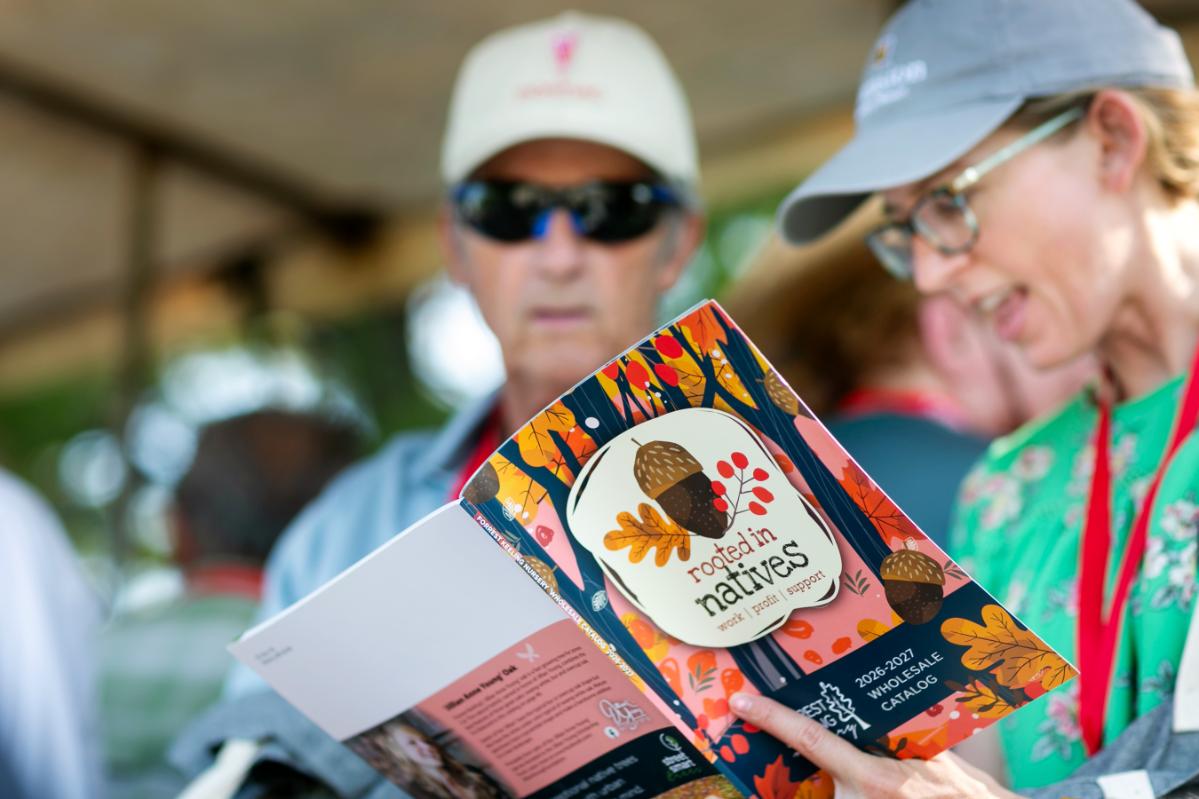
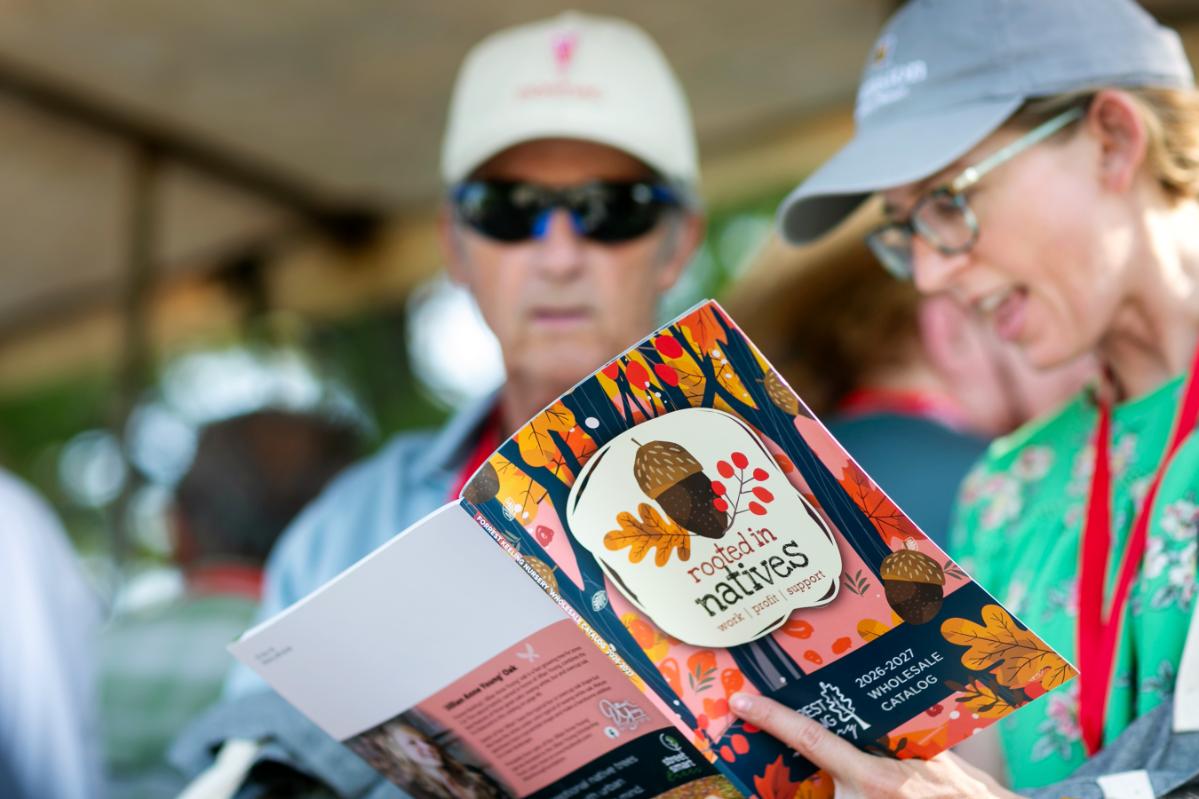
Field Day guests received two new FKN publications to keep the learning moving beyond September 17.
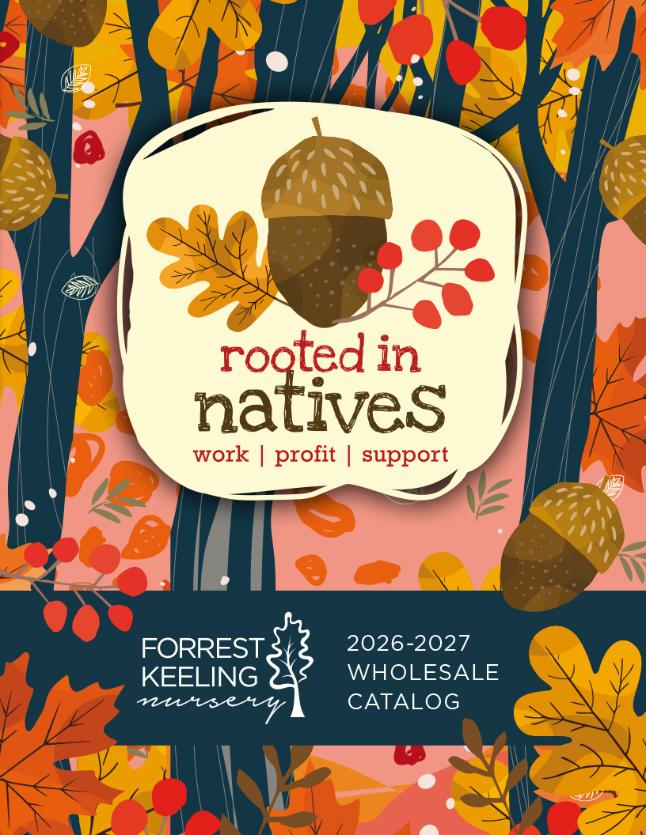
The 2026-27 Wholesale Catalog
More than an availability guide, the catalog documents the partnerships, projects and production practices that put native plants to work in conservation, stormwater management, urban forestry, agroforestry and specialty crops.
Native Urban Landscapes
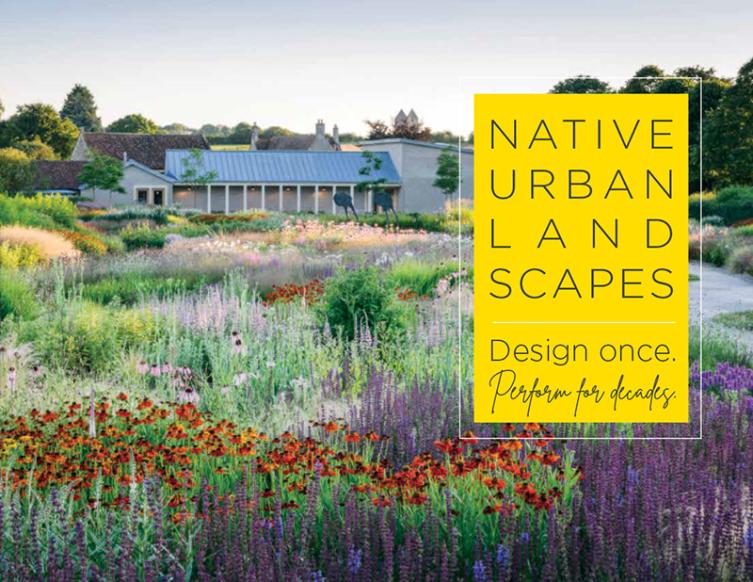
Native Urban Landscapes: Design Once. Perform for Decades. presents native plants as living infrastructure and offers a practical framework for landscapes that manage water, build habitat, strengthen communities, and become more valuable over time.
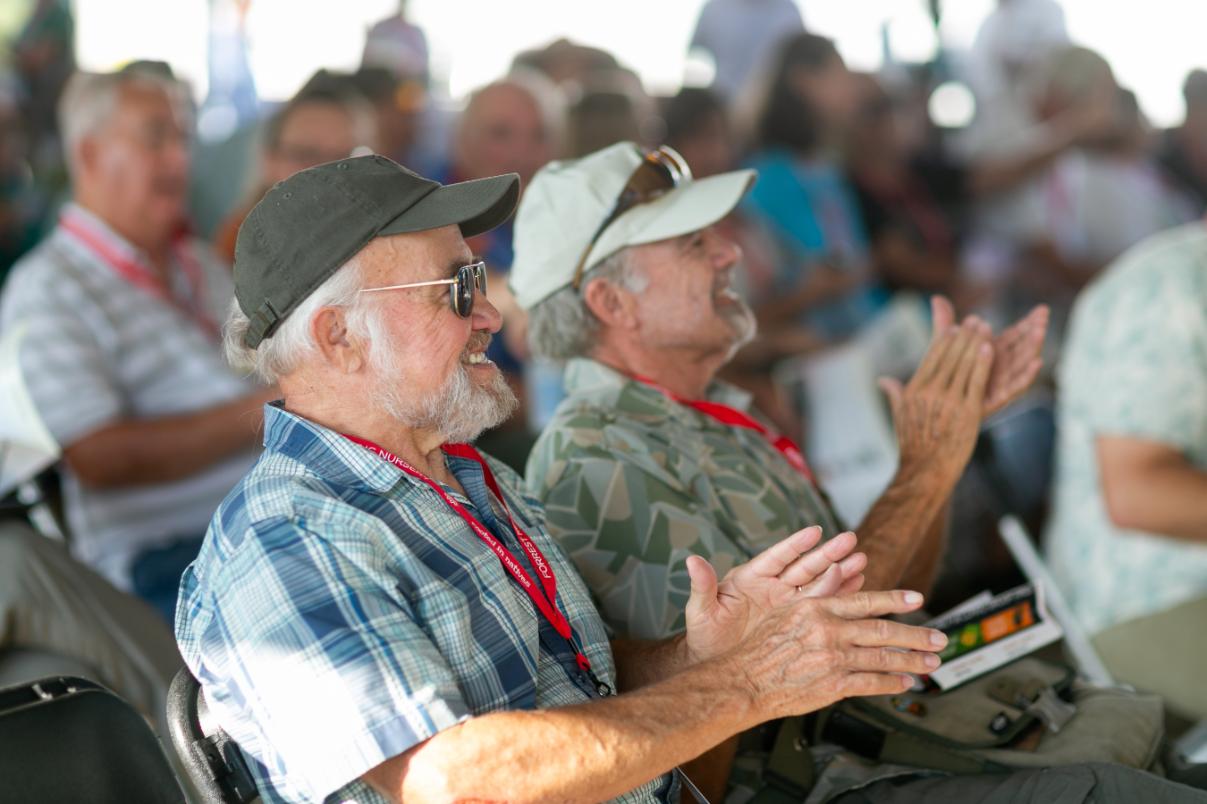
The day concluded with more opportunities to continue learning: relaxed conversation in Cypress Grove, vendor and FKN displays, a book signing with Kelly Norris, and an introduction to his New Naturalism Academy for professionals.
MEASURING WHAT MATTERS
Native Plants as Infrastructure
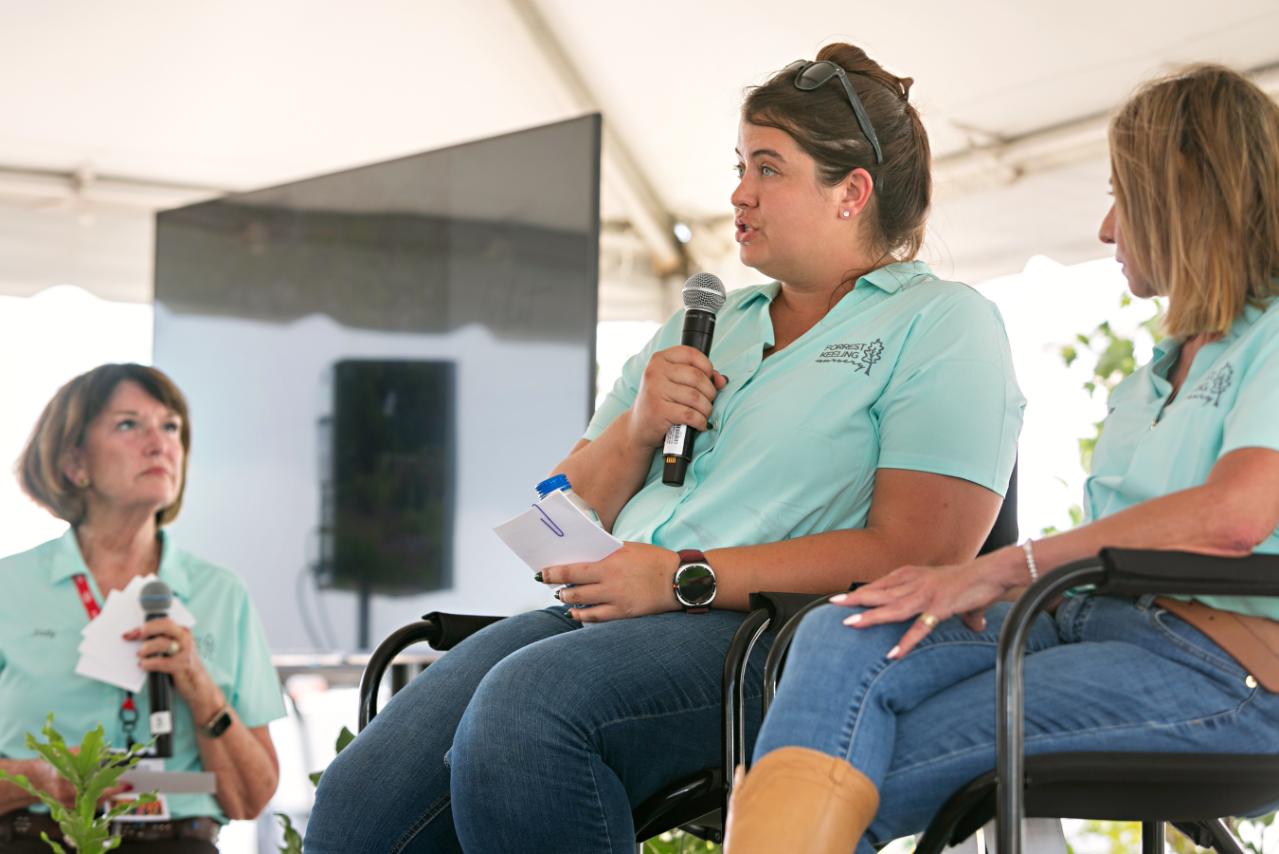
The afternoon capstone brought the day’s ideas together through a Field Note handed to every attendee. Judy Good invited the room to become noticers and to use five questions to see landscapes differently:
- What is this place trying to accomplish?
- What has nature already figured out?
- How will I know if this landscape is working?
- What changes when I begin to notice?
- What is this place trying to teach me?
Together, Judy, Kim Lovelace, and Amanda Horne traced a path from ecology to performance, measurement, value, stewardship, better decisions, and action. Examples ranged from a residential landscape shaped by an 11-acre watershed to more than two decades of observation at Cuivre Island. The discussion asked attendees to look beyond installation day and consider survival, roots, water, wildlife, soil, maintenance, inputs, economics, and connection to the larger landscape.
Some performance can be measured. Some must be observed. Both matter.
Kim brought the perspective of nearly 80 years of Forrest Keeling experience. Amanda posed fresh questions about the evolving fields of agriculture, horticulture, conservation, data, technology, specialty crops, and markets. The point was not to produce a single perfect answer. It was to strengthen the habit of asking what a place needs to do and then paying attention long enough to know whether it is doing so.
THE FINAL HANDOFF
The day closed with one enduring truth: Nature Is Our Greatest Teacher.
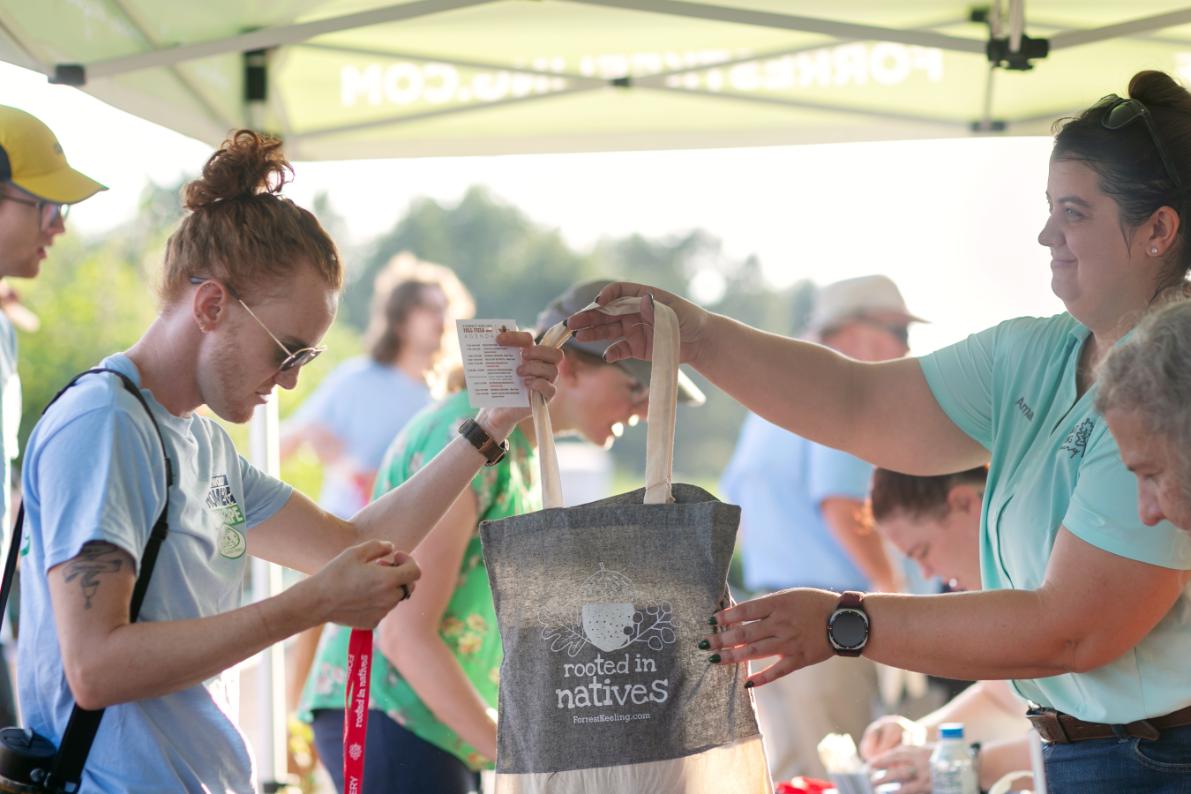
Attendees were asked what they would do differently because of what they had learned. Then came the final handoff. As Root Pouch bags moved through the audience, each revealed a relay baton bearing a message:
GENERATIONS OF KNOWLEDGE. GROWING FORWARD.
Forrest Keeling has been learning from the land, its plants, its customers, and from one generation to the next for nearly 80 years. The baton made the day’s invitation tangible: carry the knowledge forward, keep observing, and share what you learn.Stay curious. Keep noticing. Share what you’ve learned.
SEE THE DAY
Thank you to every speaker, vendor, partner, staff member, and curious attendee who made Fall Field Day 2026 the largest in Forrest Keeling’s history and one of the most memorable.
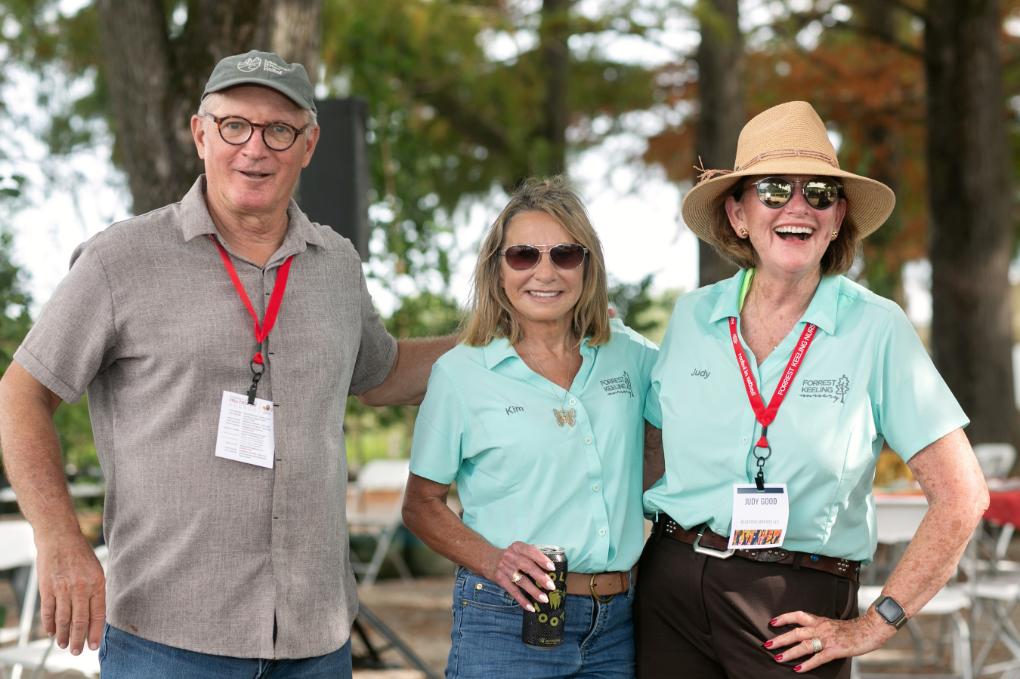
Kim Wade’s photographs capture the gathering’s scale and the moments that made it matter: a question asked after a session, a root system examined on a tour, a new connection made over lunch, and an idea carried home.
BE PART OF WHAT COMES NEXT
If you missed Fall Field Day 2026, the conversation is still unfolding. Explore the day’s resources, follow Forrest Keeling’s work, and join the e-news list for future Field Day announcements and opportunities to learn alongside people who are putting native plants to work. Save the date for the next Fall Field Day: Thursday, September 21, 2028.