For years, “Save the Bees” has become one of the most recognizable environmental messages in America.
While the intention is good, the conversation is often incomplete. When most people picture pollinators, they think of honeybees — the familiar hive-building bees used in agriculture and honey production. But honeybees are just one species among thousands of pollinators that support ecosystems across North America.
In fact, many of our most important pollinators are native species that most people rarely notice.
North America is home to more than 4,000 native bee species, along with butterflies, moths, beetles, flies, wasps, and hummingbirds that have evolved alongside native plants over thousands of years. These relationships are deeply interconnected. Many native plants depend on specific pollinators, and many pollinators depend on specific native plants for food, shelter, and reproduction.
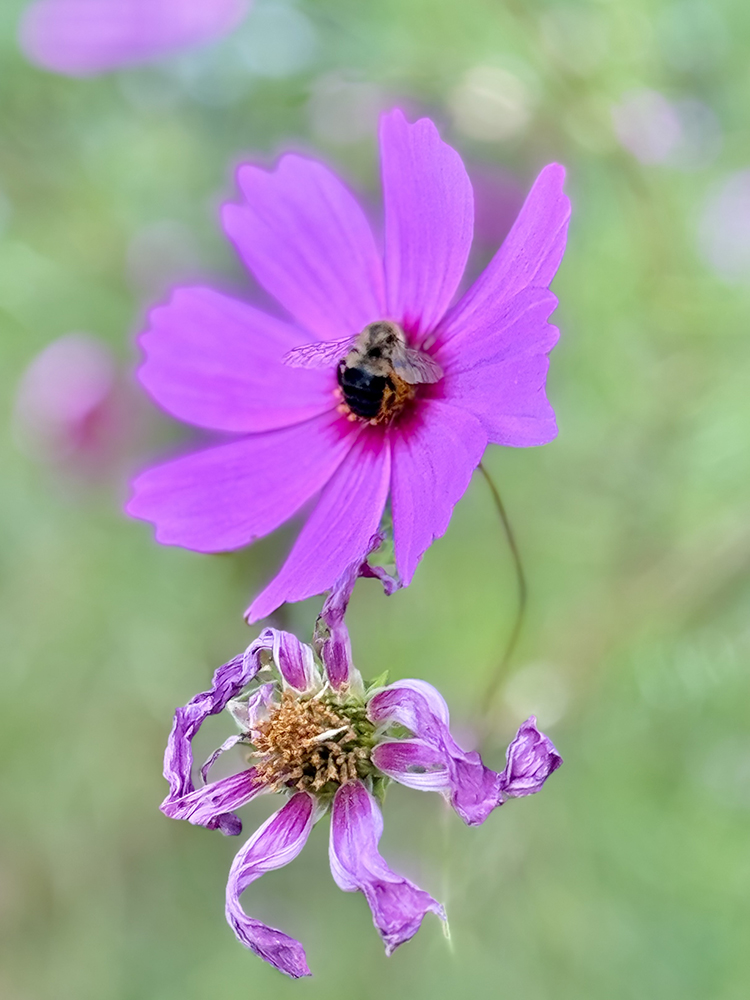
Some native bees are remarkably efficient pollinators. Bumblebees and mason bees, for example, can outperform honeybees on certain flowers and crops because of specialized behaviors such as “buzz pollination,” in which vibrations release tightly held pollen. Other native bees are highly specialized and visit only specific plant species.
Unlike honeybees, however, most native pollinators are solitary and unmanaged. They do not live in transportable commercial hives. Their survival depends almost entirely on the surrounding landscape.
That landscape has changed dramatically.
Across much of the country, native habitats have been replaced by pavement, turfgrass, invasive species, and simplified ornamental plantings that offer little ecological value. Many modern landscapes are designed primarily for appearance — tidy, controlled, and visually pleasing to people — yet provide little habitat for the living systems around them.
A landscape may appear successful while functioning as an ecological desert, supporting few pollinators, insects, birds, or ecological relationships.
Native plants are not merely decorative objects placed in a landscape. They are part of living ecological systems.
The goal of a successful landscape should not be beauty alone but habitat — places where pollinators can feed, insects can reproduce, birds can forage, and ecosystems can begin functioning again.
Ironically, the landscapes that support the most life often become the most meaningful and beautiful precisely because they are alive.
Native plants provide nectar and pollen that align with regional pollinator life cycles. Their foliage supports caterpillars and beneficial insects that birds rely on for food. Their stems, leaf litter, and soil conditions provide nesting and overwintering habitat for countless native species.
A functioning native landscape supports far more than pollination alone. It helps reconnect fragmented ecosystems.
Importantly, supporting native pollinators is not about opposing honeybees. Honeybees remain valuable agricultural pollinators and an important part of food production. However, conservation experts increasingly emphasize that adding more honeybee hives is not the same as restoring biodiversity.
The larger goal is balance.
Healthy ecosystems depend on diversity — diverse plants, insects, and habitats, and layered ecological relationships that support life at multiple levels.
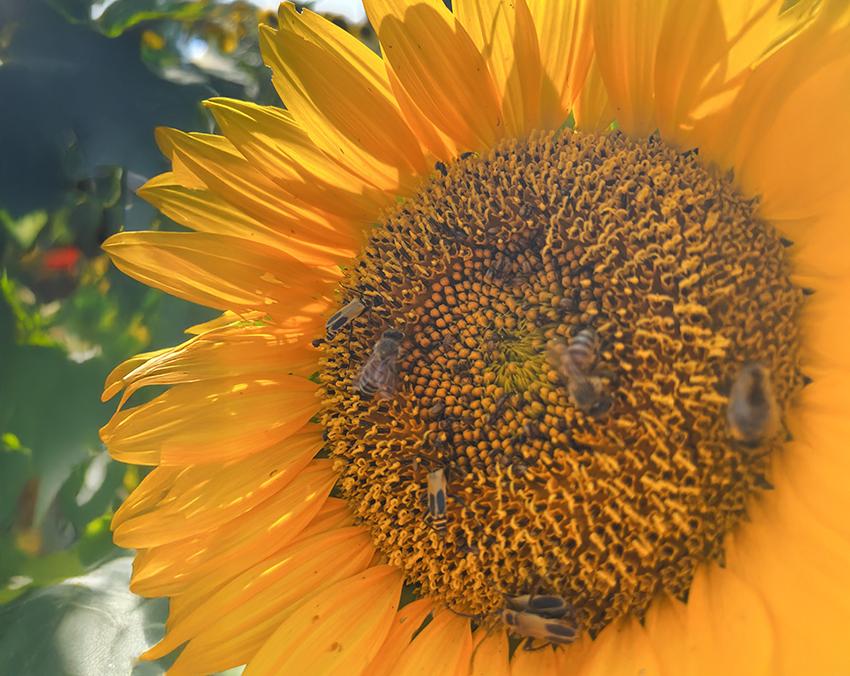
Even small actions matter:
- Plant native trees and shrubs
- Include regional wildflowers and grasses
- Create pollen and nectar-rich bloom succession from spring through fall
- Reduce unnecessary pesticide use
- Leave stems and leaf litter through winter
- Incorporate natural nesting habitat where appropriate
Every native planting becomes part of a larger habitat network.
At Forrest Keeling Nursery, we believe native plants are more than landscape elements. They are living infrastructure that supports pollinators, wildlife, water quality, climate resilience, and human well-being.
The future of landscaping cannot be based soley on appearance.
Because the healthiest landscapes are not merely beautiful.
They are alive.